10 Best Steps to Install WPC Decking on Grass?

Time:2026-04-09 Author:Mason
0%

Installing WPC decking on grass can transform your outdoor space. Many homeowners seek a reliable method to enhance their gardens. Understanding how to install WPC decking on grass is essential for durability and aesthetics.

WPC decking offers numerous benefits, including low maintenance and resistance to rot. It is crucial to prepare the ground properly to ensure a level surface. You might feel overwhelmed by decisions such as the layout and materials. Planning ahead can save you time and effort in the long run.

Despite the benefits, some challenges arise during installation. Ground conditions can vary significantly, affecting the decking's stability. Not all grass provides an ideal foundation, leading to uneven surfaces. Reflecting on these aspects can prompt deeper considerations for your project.
10 Best Steps to Install WPC Decking on Grass?

Selecting the Right Location for WPC Decking Installation

Choosing the right location for WPC decking installation is crucial. Start by assessing the flatness of your grass area. Uneven terrain can lead to issues down the line. Aim for a space that has good drainage. Water pooling under your deck can cause damage over time.

Also, consider the sunlight exposure. WPC materials can expand in high heat. A shaded area may prolong the decking's life. However, too much shade can lead to mold growth. Check for nearby trees that may drop leaves or sap. This could increase maintenance efforts.

Check local zoning regulations that may affect your project. Understanding these rules can save you headaches later. Some areas may have restrictions on building structures close to grass. Lastly, think about accessibility. You want your deck to be easy to reach from your home. Reflect on all these factors before moving forward.

Preparing the Grass Surface for Decking Installation

Preparing the grass surface for decking installation is a crucial step. Before laying down WPC decking, remove any debris, rocks, or weeds. This ensures a clean foundation. A thorough cleanup prevents unevenness and potential damage to the decking. After clearing the area, assess the grass level. If the surface is uneven, it will affect the stability of your deck. This is often overlooked, yet crucial.

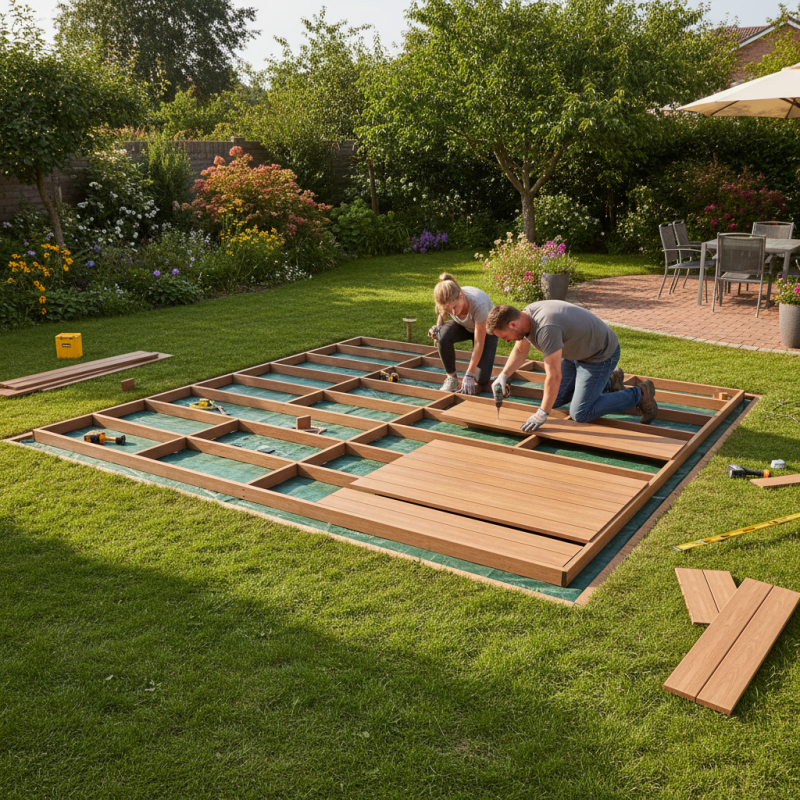
Consider laying landscaping fabric over the grass. This helps control weed growth and provides an additional barrier. Make sure the fabric is installed smoothly. Overlaps can create bumps. Afterward, adding gravel or sand can create an even surface. It’s essential not to skip this step, even if it seems minor. The right base material significantly impacts the durability of your deck.

Sometimes, it's easier to simply layer decking over grass. However, this can lead to moisture buildup beneath the decking, causing damage. It may not be the best choice if you're looking for longevity. If you encounter issues with leveling, take your time. Rushing can result in a shaky deck that needs constant repair. Careful preparation is key to a successful installation.

Laying Down a Ground Barrier to Prevent Weeds

When installing WPC decking on grass, laying down a ground barrier is crucial. This barrier serves as a protective layer, preventing unwanted weeds from sprouting through your deck. A simple landscape fabric or heavy-duty plastic can be effective. Make sure the material is durable and permeable. This allows water drainage while blocking sunlight, which is essential for weed control.

You might face challenges choosing the right barrier material. Some homeowners use cardboard, but it may not hold up over time. Others may install it incorrectly, leaving gaps. These issues can lead to weeds growing through the decking. Before installation, measure your area accurately. Cut the barrier to size, ensuring full coverage. Tack it down with stakes or landscape pins. This extra effort pays off in the long run.

Proper installation requires attention to detail. Overlapping seams is essential; otherwise, weeds may find an opening. Regular checks are also recommended. Early detection of any emerging weeds lets you take action quickly. Ignoring this can ruin the aesthetic of your new deck. Adopting a proactive mindset will lead to a more successful WPC decking project.

Installation Steps for WPC Decking on Grass

Setting Up the Framework for the WPC Decking

Setting up the framework for WPC decking on grass requires careful planning. Begin by measuring your deck area accurately. Use stakes and string to outline the shape. This helps visualize the space before digging. Make sure the area is level. Uneven ground can lead to problems later. Devote time to this step, as it sets the foundation for everything.

Next, you will need to prepare the ground. Remove any grass and weeds in the marked area, digging at least a few inches deep. This can be tedious, and most people underestimate the effort involved. If the grass keeps growing back, consider a weed barrier. After clearing the area, compact the soil with a tamper. This creates a stable base for the framework.

Now it's time to build the framework. Use pressure-treated wood for the joists. Be precise when spacing them, ideally 16 inches apart. Poor measurements can lead to a wobbling deck. Attach the joists securely to the posts. This stage requires patience. Completing it properly ensures a durable structure. Reflect on your work regularly. Adjustments may be necessary to achieve the best results.

Securing and Finishing the WPC Decking Installation

Securing and finishing your WPC decking installation involves several vital steps. It’s essential to ensure the structure is stable and durable for long-term use. Begin by checking the ground level. An uneven surface can lead to issues later. Use a level to guide adjustments. Sometimes, you might find unexpected dips or rises in the ground. Address these before laying the decking.

Next, securing the WPC boards is key. Use proper fasteners that are compatible with the material. This helps prevent warping and other damage. Keep the spacing between boards consistent to allow for expansion. Some may overlook this detail, leading to unsightly gaps or buckling. Also, consider adding edge trim to enhance the finish. It not only improves aesthetics but provides additional protection against moisture.

Once installed, regularly inspect your decking. Look out for loose boards or signs of wear. Light cleaning can also help maintain its appearance. Many forget to remove debris or dirt that collects over time. Taking these steps ensures the longevity and beauty of your WPC decking. Proper care also means acknowledging that no installation is perfect. Learn from any mistakes and adjust accordingly.

10 Best Steps to Install WPC Decking on Grass

Step Description Tools Needed Time Required
1 Prepare the area by clearing any grass, debris, or obstacles. Shovel, Rake 1-2 hours
2 Level the soil to create a flat surface for the decking. Leveling Tool, Rake 1 hour
3 Install a weed barrier fabric to prevent grass growth under the decking. Weed Barrier Fabric, Scissors 30 minutes
4 Lay down the framing for the WPC deck. Saw, Drill, Screws 2 hours
5 Cut the WPC boards to size based on the framing layout. Saw, Measuring Tape 1 hour
6 Secure the WPC boards to the frame using screws. Drill, Screws 1-2 hours
7 Check for any gaps and adjust as necessary. Measuring Tape, Level 30 minutes
8 Finish the surface by sanding down rough edges if needed. Sander, Sandpaper 1 hour
9 Apply a sealant if desired to protect the surface. Sealant, Paint Roller 1 hour
10 Clean up the surrounding area and dispose of debris properly. Trash Bags, Broom 30 minutes

FAQS

: What should I consider when choosing a location for WPC decking?

: Assess the flatness of the area and ensure good drainage. Avoid locations prone to water pooling.

How does sunlight exposure affect WPC decking?

High heat can cause WPC to expand. A shaded area may help, but too much shade can lead to mold.

Why is preparing the grass surface important?

A clean foundation prevents unevenness and potential damage. Debris and rocks need removal for stability.

What can I do to control weed growth under the decking?

Laying landscaping fabric helps control weeds. Ensure it is installed smoothly to avoid bumps.

How deep should I dig when preparing the ground?

Dig at least a few inches deep to remove grass and ensure a stable base. This step can be tedious.

What materials should I use for the decking framework?

Use pressure-treated wood for joists. Proper spacing, ideally 16 inches apart, is crucial for stability.

How can I ensure my deck remains stable?

Compact the soil properly. Regular adjustments may be needed to avoid a wobbly deck.

Can I layer decking over grass?

This might lead to moisture buildup beneath. It is not recommended for long-term durability.

What should I do if the grass grows back after clearing?

Consider installing a weed barrier to prevent regrowth. This requires some planning in advance.

How important is measuring the deck area accurately?

Accurate measurements are critical. Poor measurements can result in a shaky deck that needs repairs.

Conclusion

Installing WPC decking on grass can be a rewarding project, provided you follow the right steps. First, it's essential to select a suitable location that offers good drainage and avoids areas prone to excessive sunlight or moisture. Once you've chosen your spot, preparing the grass surface is key; this may involve mowing the grass down and removing any debris to create a flat area for the decking.

The next step is to lay down a ground barrier, which will help prevent weed growth and protect the decking material. Afterward, you can set up a robust framework that will support the decking. Finally, securing and finishing the WPC decking installation ensures a stable and aesthetically pleasing surface. By following these guidelines on how to install WPC decking on grass, you'll create an outdoor space that enhances your home while being easy to maintain.

Mason

Mason

Mason is a seasoned marketing professional with a deep expertise in the company's offerings and a passion for driving brand awareness. With a strong background in digital marketing strategies, he has an innate ability to connect with diverse audiences and effectively communicate product benefits.......