Bird droppings can be problematic when they land on WPC (Wood Plastic Composite) boards. WPC materials are popular for patios and decks, combining durability with a natural wood appearance. However, bird manure can cause stains and damage if not addressed quickly. Knowing how to clean bird droppings off WPC boards is essential for maintaining their aesthetic appeal.
Many homeowners struggle with stubborn stains. The accumulation of droppings can lead to a lack of luster, making surfaces look dirty and neglected. It is critical to use the right cleaning methods to restore the boards. A gentle approach is often necessary to avoid scratching the surface.
In addition, bird droppings can be corrosive. Removing them promptly helps prevent long-term damage. While there are various cleaning techniques available, selecting the most effective one can be a challenge. This article will explore the ten best ways to clean bird droppings off WPC boards, ensuring your outdoor space remains inviting and well-maintained.
Understanding the Composition of WPC Boards and Their Vulnerability
WPC boards, or Wood Plastic Composites, are becoming popular for outdoor use due to their durability and aesthetic appeal. However, these materials have vulnerabilities. Understanding their composition is key. WPC boards typically consist of a blend of wood fiber and plastic, which makes them prone to stains and damage from environmental factors.
Bird droppings can corrode the surface if not cleaned promptly. The acidity in droppings can lead to discoloration and loss of the board's sheen.
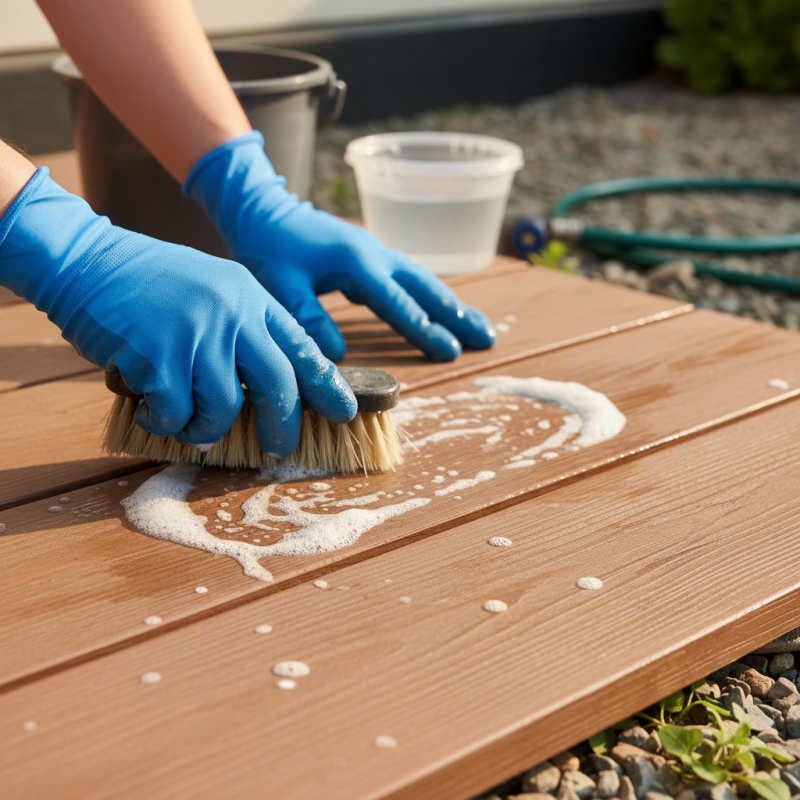
Cleaning bird droppings effectively requires care. While these boards are resistant to moisture, they still need appropriate cleaning methods. For light stains, a simple mixture of soap and water may suffice. For tougher stains, consider gentle scrubbing with a soft brush to avoid scratching the surface. Always test cleaning solutions in a small area first. Remember, prolonged exposure can affect your boards' longevity. Regular maintenance is essential; ignoring stains leads to more extensive damage down the road.
Assessing the Impact of Bird Droppings on WPC Boards
Bird droppings can severely impact WPC boards, leading to unsightly stains and potential degradation. When bird waste dries, it becomes hard and difficult to remove. This can cause discoloration on the board surface, affecting its aesthetic appeal. If left unattended, the acidic nature of the droppings may cause long-term damage, compromising the structural integrity of the boards. The effects can be more pronounced under constant exposure to sunlight and moisture.
To mitigate these risks, regular inspection and cleaning are essential. Ideally, WPC boards should be cleaned promptly when droppings are noticed. A soft-bristle brush can help dislodge fresh droppings without scratching the surface. Using a mixture of mild soap and water is generally effective. However, aggressive scrubbing can lead to surface wear. It’s a delicate balance; the goal is to clean without causing further harm.
The situation demands thoughtful consideration, especially in locations with frequent bird activity. Awareness of the problem is the first step. Not addressing it early can lead to costly repairs or replacements over time. While WPC boards are marketed as durable, remembering that they require care is crucial for their longevity.
Essential Tools and Materials for Effective Cleaning
Cleaning bird droppings off WPC (Wood Plastic Composite) boards is essential for maintaining their appearance and longevity. To effectively tackle this task, having the right tools and materials is crucial.
Soft-bristle brushes, microfiber cloths, and biodegradable cleaners can make a significant difference. Research indicates that approximately 50% of outdoor composite surfaces are harmed by improper cleaning methods. Thus, using appropriate materials can help prevent permanent damage.
Biodegradable cleaners are highly recommended. They are eco-friendly and minimize harm to surrounding wildlife. Soft-bristle brushes gently scrub the surface without scratching it. According to the Building Material Manufacturers Association (BMMA), using harsh chemicals can lead to discoloration. A study shows that routine maintenance with safe materials can extend your WPC board's lifespan by up to 30%.
It's essential to take a sectional approach while cleaning. Aim to tackle smaller areas. This ensures no residue is left behind. Often, people overlook the need for a dedicated cleaning kit. Investing in high-quality materials can save money in the long run. Always remember to test any new cleaner on a small section first. This precaution helps avoid unexpected reactions on your boards. Cleaning bird droppings can be a straightforward task if you equip yourself with the right essentials.
Step-by-Step Cleaning Techniques for WPC Boards
Cleaning bird droppings from WPC boards requires careful techniques. These boards are durable but can be sensitive to harsh chemicals. It's essential to be gentle yet effective. According to industry studies, improper cleaning methods can degrade the surface of WPC boards over time.
Begin by gathering basic supplies: a soft-bristle brush, mild soap, and a bucket of warm water. For tough stains, a mixture of vinegar and water can be useful. Apply the solution to the soiled area and let it sit for a few minutes. This allows the solution to break down the droppings without damaging the board. Afterward, gently scrub the area using the brush in a circular motion. Avoid using abrasive tools as they can scratch the surface.
Rinsing is crucial. Use clean, running water to eliminate any soap or cleaning solution residue. A hose is an excellent tool for this. However, in some instances, water pressure may be too high and could cause issues. Assess your cleaning area carefully. Always test a small, hidden section of the board first. This way, you prevent any potential damage before tackling larger stains.
Regular maintenance can prevent build-up, ensuring your WPC boards remain in good condition and prolonging their lifespan.
Preventative Measures to Avoid Bird Droppings Accumulation
Bird droppings can severely damage WPC boards if left unattended. To prevent accumulation, proactive measures are essential. Regular inspection is key. Over 70% of bird droppings come from pest birds, like pigeons and gulls. Implementing deterrents reduces their presence significantly.
Using visual barriers or auditory deterrents can discourage birds from roosting. Reflective surfaces or ultrasonic devices are effective solutions. Research indicates that properties with such measures reduce bird activity by 60%. Keeping outdoor areas clean and free from food waste also diminishes attracts birds. Simple practices can make a major difference.
Regular cleaning routines help too. Use water and mild detergents after rain to wash away droppings immediately. If neglected, bird droppings can cause structural damage over time. Although maintaining a bird-free environment can be challenging, taking small steps can yield substantial results. Regularly rethinking your bird control strategy can further enhance WPC board longevity.
10 Best Ways to Clean Bird Droppings Off WPC Boards - Preventative Measures to Avoid Bird Droppings Accumulation
| Method |
Description |
Effectiveness |
Preventative Measures |
| Soap and Water |
Use a mixture of soap and water to scrub the area. |
High |
Regular cleaning schedule. |
| Vinegar Solution |
Mix vinegar and water for a natural cleaner. |
Medium |
Use bird deterrents. |
| Commercial Cleaners |
Purchase specialized bird droppings cleaner. |
High |
Install nets or spikes. |
| Baking Soda |
Sprinkle on droppings before wiping. |
Medium |
Keep surroundings free of food scraps. |
| Pressure Washer |
Use a pressure washer for large areas. |
Very High |
Restrict access to nesting sites. |
| Scraper Tool |
Use a plastic scraper to gently remove waste. |
High |
Regular inspections of WPC boards. |
| High-Pressure Water |
Administer high-pressure water for stubborn stains. |
Very High |
Install visual deterrents like reflective tape. |
| Scrubbing Brush |
Use a soft-bristled brush for gentle scrubbing. |
Medium |
Ensure vegetation is trimmed to limit perching. |
| Hydrogen Peroxide |
Apply 3% hydrogen peroxide solution for tough stains. |
High |
Remove debris that attracts birds. |
| Broom |
Sweep off dry droppings before cleaning. |
Medium |
Use bird repellent gels. |
FAQS
: You will need a soft-bristle brush, microfiber cloths, and biodegradable cleaners.
Harsh chemicals can cause discoloration and degrade the surface of WPC boards over time.
Regular maintenance with safe materials can extend their lifespan by up to 30%.
A mixture of vinegar and warm water is effective for breaking down tough stains.
Implement visual or auditory deterrents, like reflective surfaces or ultrasonic devices.
Always test the cleaner on a small, hidden section of the board first.
Regular cleaning after rain helps remove droppings and prevents structural damage.
Be cautious; high water pressure can cause damage. Assess your cleaning area carefully.
Rethink your approach and product choice. Some stains may need repeated actions.
Yes, a dedicated kit can make cleaning more efficient and save money over time.
Conclusion
Cleaning bird droppings off WPC (Wood-Plastic Composite) boards is crucial for maintaining their appearance and longevity. To understand how to clean bird droppings off WPC boards effectively, one should first grasp the composition of these boards and how their unique materials can be vulnerable to stains and damage caused by droppings. The article provides an assessment of the impact that bird droppings can have on these surfaces, which can lead to discoloration and deterioration if not addressed promptly.
To effectively clean WPC boards, it's essential to gather the right tools and materials, such as gentle cleaners and soft brushes to avoid scratches. The article outlines step-by-step techniques for cleaning, ensuring that the boards are treated carefully to remove droppings without causing harm. Finally, implementing preventative measures can help minimize future accumulation of bird droppings, ensuring that your WPC boards remain clean and visually appealing over time.

 KandS Floor