How to Effectively Hide Screws When Installing WPC Planks?

Time:2026-06-26 Author:Oliver
0%

When tackling a WPC plank installation, aesthetics play a crucial role. Homeowners often seek seamless, polished surfaces that enhance the beauty of their outdoor spaces. One prevalent concern arises: how to hide screws when installing WPC planks? This question is especially important for achieving a clean look.

Professional installers have their tricks to ensure a flawless finish. They know that visible screws can detract from the overall appearance. Innovative methods exist, such as using color-matched plugs or countersinking screws. Yet, not all methods may yield perfect results on the first try. It often requires practice and a keen eye for detail.

Even seasoned DIY enthusiasts may encounter challenges. Factors like wood grain and plank orientation can complicate the process. It is essential to embrace these imperfections and learn from each experience. Ultimately, the goal is to create a visually appealing surface while ensuring the durability of the installation.
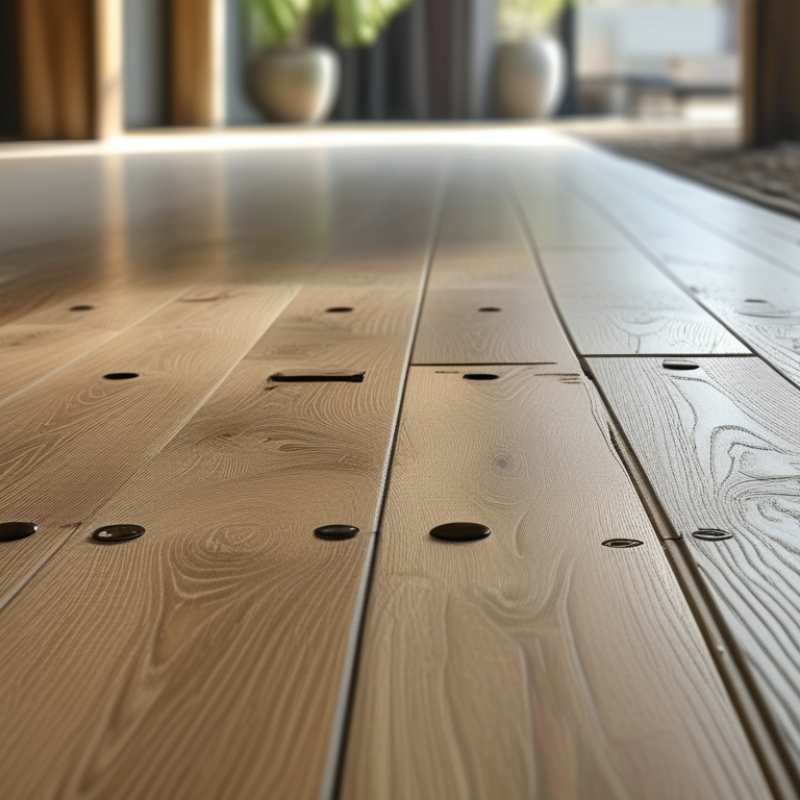
How to Effectively Hide Screws When Installing WPC Planks?

Understanding WPC Planks and Their Installation Requirements

WPC planks, or wood-plastic composites, are a popular choice for outdoor decking. They offer durability and resistance to moisture. According to a report by the Freedonia Group, WPC decking is expected to reach 3.5 billion USD by 2025. This surge reflects a growing interest in sustainable materials and low-maintenance options. Proper installation is key to maximizing their benefits.

Understanding the installation requirements of WPC planks is crucial. The material expands and contracts with temperature changes, so spacing during installation is vital. The recommended gap between planks should be around 1/8 to 1/4 inches. Failing to respect this can result in warping. Additionally, using hidden fasteners enhances the aesthetic without compromising stability. Hidden fasteners allow for more flexible board movement while reducing visible hardware.

Consideration must also be given to the supporting structure. WPC requires a solid foundation to prevent sagging. Some installations opt for a wooden frame, but a composite frame may offer better durability. Poor choices in support can lead to visible sagging over time. Always consult professional guidelines for best practices. Mistakes in the installation process may lead to unanticipated issues, so thoughtful planning is essential.

Selecting the Right Screws for WPC Planks

When selecting screws for WPC planks, several factors come into play. The right screws ensure durability and excellent performance. Research indicates that using screws specifically designed for composite materials improves overall stability. These screws typically feature a sharp tip and coarse threads, ideal for preventing splitting. Additionally, they offer corrosion resistance, essential for outdoor placements exposed to various elements.

Tips for screw selection: Choose screws that match the plank thickness. Usually, screws should penetrate at least one inch into the underlying joist. This depth enhances stability and longevity. Opting for stainless steel options provides superior protection against rust. According to industry standards, WPC installations benefit from screws that accommodate slight expansions and contractions of the material.

Another point to consider is the screw's color and finish. A complementary color to the WPC planks offers a seamless look. However, it's vital to ensure that the screws are not too conspicuous. In some reports, nearly 30% of installers noted a visible screw problem after installation. Selecting the right length and color helps achieve a more polished appearance and reduces maintenance hassles. Remember, small choices in screw selection can significantly impact the final look of a project.

How to Effectively Hide Screws When Installing WPC Planks

Techniques for Pre-drilling and Concealing Screws

When it comes to installing WPC (Wood Plastic Composite) planks, concealing screws is crucial for achieving a seamless finish. Pre-drilling holes can significantly enhance this process. Using a countersink bit ensures the screw heads sit flush with the plank surface. This technique not only hides the screws but also reduces the risk of splitting the material. However, care must be taken to choose the right size bit and screws.

Another effective method involves using plugs or wood filler. Once you pre-drill the holes, you can insert matching plugs into the recesses left by screws. This adds a refined touch to your installation. However, achieving an exact color match can be challenging. It may require testing with various shades or even mixing materials. Also, allow the filler or adhesive to set properly. Rushing this step can lead to unsightly gaps.

The approach requires a steady hand and patience. Mistakes can happen, especially if you're inexperienced. Ensure your drill is at the correct angle to avoid misalignment. A misplaced screw can ruin the aesthetic, requiring you to start over. Testing different methods on scrap pieces can save you time and frustration. Remember, practice leads to perfection.

Using Decorative Caps and Inserts to Hide Screws

Hiding screws when installing WPC planks is crucial for aesthetic appeal. Decorative caps and inserts play an essential role in this process. According to industry estimates, around 80% of homeowners prefer a seamless appearance for their outdoor spaces. This preference drives the demand for solutions that conceal screws effectively.

Installing decorative caps can significantly improve the visual appeal. These caps are available in various colors and finishes. They can blend seamlessly with the WPC planks, making screws virtually invisible. Furthermore, the average lifespan of these caps is reported to be around 15 years. This durability ensures they maintain their appearance over time, enhancing the overall look of the installation.

Inserting caps may not always be straightforward. Proper alignment and fitting can be tricky, particularly with non-standard screws. A recent study highlighted that nearly 30% of DIY projects face aesthetic issues due to improper installation practices. Homeowners may need to experiment with different cap styles or sizes for optimal results. Finding the right accessory can be a trial-and-error process, often leading to unexpected enhancements or flaws in the final appearance.

Finishing Touches: Painting and Sealing for a Seamless Look

When it comes to finishing touches on your WPC plank installation, painting and sealing play a crucial role. A well-executed finish can elevate the overall appearance of your project. Choose a paint that matches your aesthetic while being suitable for outdoor conditions. This can be tricky; not every paint holds up against moisture or UV rays. Test a small area first to ensure the desired results.

Sealing is equally important. A good sealant protects the wood composite from damage. It helps prevent moisture absorption, which can lead to warping or fading. Applying the sealant evenly is key. Sometimes, people rush this step and find themselves dealing with uneven finishes. Careful application takes time but yields rewarding results in the long run.

Don't overlook the drying times between these processes. Ensure the paint has dried completely before applying a sealant. This simple step can save you from a blemished surface. While it seems tedious, patience in completion ensures a flawless look. Remember, attention to detail is where the beauty lies.

How to Effectively Hide Screws When Installing WPC Planks? - Finishing Touches: Painting and Sealing for a Seamless Look

Method Description Pros Cons
Countersinking Drilling a recess in the plank to allow the screw head to sit below the surface. Creates a smooth finish, easily covers the screw with putty or paint. Requires precise drilling, can weaken the material if overdone.
Use of Plug System Inserting a wooden or WPC plug into the hole after screwing. Hides screws effectively, provides robust structure. Requires additional materials and tools, may need color matching.
Color Matching Sealant Applying a sealant that matches the deck color over the screw heads. Quick and easy, blends well with colored planks. Sealant can wear off over time and may need reapplication.
Fabrication of Hidden Fastener System Using fasteners designed to hold planks without visible screws. Provides a clean, screw-free look. More expensive, requires specialized installation techniques.

FAQS

: What factors should I consider when choosing screws for WPC planks?

: Consider the screw's durability, corrosion resistance, and compatibility with composite materials for optimal performance.

How deep should screws penetrate into the joist?

Screws should penetrate at least one inch into the joist to enhance stability and longevity.

Why is it important to choose the right color for screws?

A complementary color blends well with WPC planks and helps achieve a polished look, reducing visibility of screws.

What is the benefit of using stainless steel screws?

Stainless steel screws provide superior protection against rust, especially important for outdoor installations exposed to the elements.

How can decorative caps improve the appearance of a WPC installation?

Decorative caps can blend with WPC planks, making screws virtually invisible and enhancing the overall aesthetic appeal.

What challenges might I face when installing decorative caps?

Proper alignment can be tricky, and about 30% of DIY projects encounter aesthetic issues due to installation errors.

How long do decorative caps typically last?

Decorative caps usually last around 15 years, maintaining their appearance over time.

Can small choices in screw selection affect a project?

Yes, even small choices can significantly impact the final look and maintenance of the installation.

Is it easy to find the right accessories for screws?

Finding the right accessories can be a trial-and-error process, leading to mixed results in the final appearance.

Conclusion

When considering "How to hide screws when installing WPC planks," it is essential to begin with a clear understanding of WPC (Wood Plastic Composite) and its specific installation requirements. Choosing the right screws is crucial, as they should be compatible with WPC materials to ensure stability and durability. Pre-drilling techniques play a vital role in concealing screws effectively, allowing them to sit flush with the surface for a cleaner look.

Additionally, using decorative caps and inserts can significantly enhance the aesthetic appeal while hiding any visible screws. Completing the installation with finishing touches like painting and sealing not only provides a seamless transition but also protects the planks from weather elements. By employing these strategies, homeowners can achieve a polished and professional appearance in their WPC plank installations.

Oliver

Oliver

Oliver is a seasoned marketing professional with a wealth of expertise in driving brand awareness and engagement. With a deep understanding of our company's product offerings, he consistently delivers high-quality content that enriches our professional blog. His insights not only shed light on......