When considering the question, "Can I install a hot tub on top of WPC decking?", many homeowners find themselves at a crossroads. WPC (Wood Plastic Composite) decking has gained popularity for its durability and aesthetic appeal. However, the unique properties of WPC can influence the decision to place a hot tub on this surface.
It's essential to weigh the advantages and disadvantages of such an installation. WPC decking is generally resistant to rot and insect damage, offering a solid foundation for heavy installations. Yet, factors like weight distribution and temperature sensitivity require careful consideration. The heat from the hot tub might warp or damage the decking if not properly managed.
Additionally, expert advice plays a crucial role in guiding these types of home improvement projects. Consulting with professionals can provide insights tailored to your specific situation. While WPC decking can support a hot tub, ensuring proper installation and maintenance is vital. This thoughtful approach can lead to a beneficial enhancement to your outdoor space.
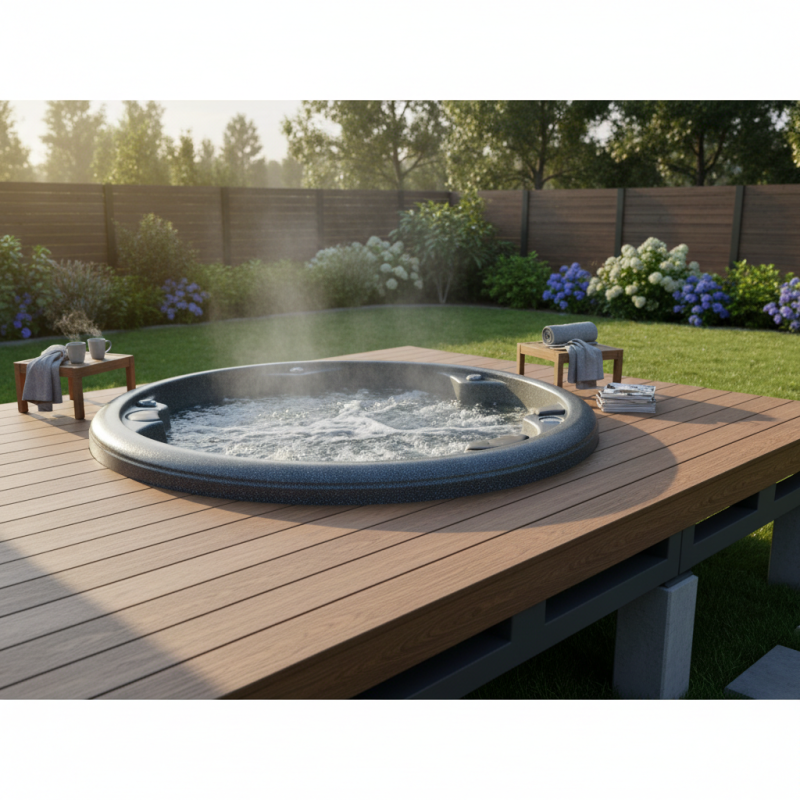
WPC decking, made from wood-plastic composites, is gaining popularity for outdoor installations. This material offers durability and a low-maintenance option for homeowners. According to a report by the American Society for Testing and Materials, WPC decking can withstand various weather conditions, making it suitable for hot tubs. Its resistance to moisture is an important factor. However, proper weight distribution is crucial when installing a hot tub on WPC decking.
Tip: Ensure your hot tub's weight is evenly distributed across the decking. This helps prevent sagging or damage. Many homeowners overlook the structural integrity of their deck. It’s essential to check the weight limits specified by the decking manufacturer. Without this knowledge, you risk compromising the safety of your installation.
Consider the placement of your hot tub. Some experts suggest positioning it close to a support post for added stability. Environmental factors also play a critical role, such as sun exposure and potential drainage issues. A study by the Decking and Railing Association found that proper drainage can extend the lifespan of WPC decking significantly.
Tip: Use non-slip mats around the hot tub. This increases safety in wet areas. Remember, while WPC decking is often a reliable choice, maintenance and regular inspections are vital to ensure longevity and safety.
Installing a hot tub on WPC decking raises important concerns, especially regarding weight support. WPC decking offers durability and moisture resistance, but it may not support heavy structures without additional reinforcement. The average hot tub can weigh over 3,000 pounds when filled. It's crucial to assess if your decking can handle such weight.
When planning your hot tub installation, consider the foundation beneath your decking. Is it strong enough? If the decking shows signs of sagging or wears, it could indicate that the structure needs reinforcement. Consulting with a structural engineer or decking professional is wise. They can provide insight into whether your existing framework can bear the load.
Always ensure proper weight distribution for safety. Spreading the load can minimize stress on specific areas. Adding support beams under your WPC decking can enhance safety significantly. Remember, overlooking these details may lead to costly repairs or accidents. Regular maintenance checks of the decking are also essential to avoid unexpected failures. Balancing aesthetics and safety is vital when integrating large features into your outdoor space.
Preparing your WPC decking for a hot tub installation is crucial for both safety and longevity. Start by checking your decking's condition. Look for any signs of wear or damage. Replace any broken boards to ensure a solid support structure. WPC decking is durable, but weight distribution is still important when adding a heavy hot tub.
Next, think about the location of the hot tub. Ensure it is situated on a flat, even surface. If necessary, use shims or additional support to level the area. Water and moisture can affect WPC decking over time, so consider installing a moisture barrier underneath the hot tub. This will protect the decking from prolonged exposure to water.
Ventilation is another key aspect. Make sure to leave space around the hot tub for air circulation. This can help in drying out any moisture that may accumulate. Over time, improper ventilation could lead to mold or decay, compromising the deck's integrity. Regular maintenance checks will also help in identifying potential issues early on, allowing for timely repairs. Taking these precautions will enhance the lifespan of your WPC decking when a hot tub is in use.
| Tip Number | Tip Title | Description |
|---|---|---|
| 1 | Check Weight Capacity | Ensure that your WPC decking can support the weight of the hot tub, water, and occupants. |
| 2 | Use Reinforced Joists | Reinforce the joists in the decking area where the hot tub will sit to provide extra support. |
| 3 | Plan for Drainage | Ensure proper drainage options are available to prevent water pooling on the decking. |
| 4 | Check Local Regulations | Verify local building codes and regulations regarding hot tub installation on decks. |
| 5 | Select Proper Foundation | Consider using concrete pads or stones beneath the hot tub for stabilized support. |
When installing a hot tub on WPC decking, maintenance is key for longevity and safety. Regular care can prevent damage to the decking and ensure a smooth hot tub experience.
One essential tip is to regularly check for water spills. WPC materials can warp if they remain wet for extended periods. After each use, take a moment to wipe away any splashes. This can help maintain the integrity of your decking. Inspect the hot tub's drainage system frequently. Clogs can lead to water pooling, which could harm the decking over time.
Another critical aspect is to use the right cleaning products. Harsh chemicals can degrade WPC surfaces. Opt for gentle cleaners that won't harm the decking while still being effective for the tub. Always thoroughly rinse away any product residue. Remember, light cleaning can become a habit. It makes your maintenance routine feel less daunting. Addressing small issues before they escalate ensures that everything remains in top shape.
When considering a hot tub installation on WPC decking, safety should always be a priority. WPC, or wood-plastic composite, can be durable but may react differently to moisture and heat. Ensure your deck can handle the weight of a filled hot tub. A full hot tub can be quite heavy. It's crucial to consult with a structural engineer for proper weight calculations and support.
Additionally, you must consider the placement of your hot tub. Position it away from edges or areas that might be prone to water pooling. Frequent wet conditions can weaken the deck. Regular inspections of the WPC decking are necessary. Look for signs of wear or warping, especially around the hot tub area. If the deck appears compromised, address issues immediately to avoid accidents.
Don't forget about drainage. Proper drainage will prevent water from accumulating around the hot tub. Standing water can lead to mold growth and slippery surfaces. Installing a drain mat can help direct water away. Always use anti-slip mats around the hot tub to minimize falls. Safety should never be an afterthought, especially around such a fun, relaxing feature.
: WPC decking may need reinforcement for a hot tub. A filled hot tub can exceed 3,000 pounds.
Signs like sagging or wear suggest your deck may need extra support. Consult a professional for advice.
Regularly check for water spills and clean up splashes after use. This helps prevent warping.
Place the hot tub away from edges. Avoid areas prone to water pooling to protect your deck's integrity.
Good drainage prevents water accumulation. Standing water can cause mold and make surfaces slippery.
Use gentle cleaners that won’t damage the WPC surfaces. Avoid harsh chemicals to maintain structural integrity.
Regular inspections are essential, especially near the hot tub. Look for wear or warping and address issues promptly.
Ignoring small maintenance can lead to major problems, including costly repairs or safety hazards.
Yes, anti-slip mats minimize the risk of falls. Safety around the hot tub should always be a priority.
If you're considering whether "Can I install a hot tub on top of WPC decking," it's essential to understand the unique properties of WPC decking and its capacity to support the weight of a hot tub. Given WPC's construction from a blend of wood and plastic, it offers enhanced durability and resistance to moisture, making it a suitable choice for outdoor settings. However, weight support is a critical concern, as hot tubs can be significantly heavy when filled with water and occupants. Therefore, it's crucial to assess the load-bearing capabilities of your WPC decking and possibly reinforce the structure before installation.
Preparation is key when planning to install a hot tub on WPC decking. Ensure the surface is clean and stable, and consider adding a protective barrier to prevent damage from moisture. Additionally, regular maintenance of both the hot tub and the decking is vital to prolong their lifespan and maintain safety. Following appropriate safety recommendations will further ensure a secure and enjoyable experience when using a hot tub on WPC decking.

KandS Floor