Top 10 Reasons Why is My WPC Flooring Expanding and Warping?

Time:2026-05-16 Author:Liam
0%

If you notice your WPC flooring expanding and warping, you might be wondering, "Why is my WPC flooring expanding and warping?" This issue is more common than many homeowners realize. Several factors contribute to these changes. Understanding these reasons can help prevent damage and extend the life of your flooring.

Environmental factors play a significant role in the performance of WPC flooring. Humidity levels can cause the material to absorb moisture. This absorption leads to expansion. On the other hand, dry conditions can lead to contraction. Improper installation may also create problems. If the flooring isn’t fitted correctly, stress can build up, leading to warping.

Homeowners may overlook simple maintenance practices that can prevent these issues. Regular checks for moisture and proper ventilation are essential. Awareness and proactive measures can minimize risks. However, even with precautions, imperfections can still arise. Understanding the root causes is the first step in addressing the problem.
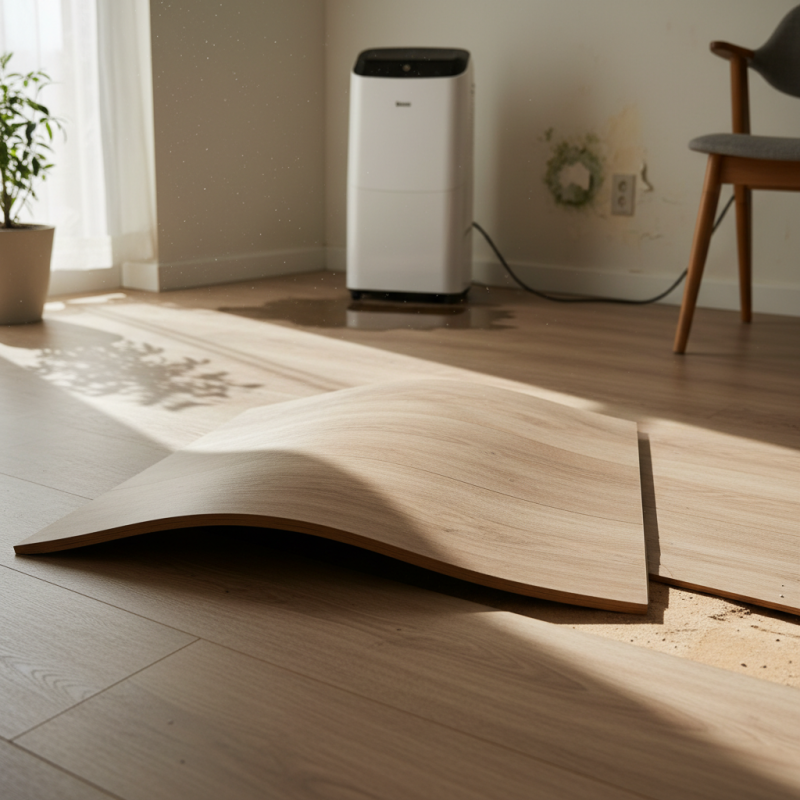
Top 10 Reasons Why is My WPC Flooring Expanding and Warping?

Understanding WPC Flooring and Its Characteristics

WPC flooring, or Wood Plastic Composite flooring, combines the durability of wood and the resilience of plastic. It offers excellent moisture resistance, making it popular for many applications. However, understanding its characteristics is essential for proper maintenance.

One common issue with WPC flooring is expansion and warping. This can occur due to environmental factors like humidity and temperature changes. If the flooring material is not installed correctly, it may buckle or warp over time. Achieving the ideal temperature and humidity levels is crucial. Regular monitoring can help prevent these unwanted changes.

WPC flooring can be sensitive to moisture. Even minor spills, if not cleaned promptly, may lead to significant problems. Improper cleaning methods can also worsen the situation. Users should avoid soaking the floor. Instead, a slightly damp cloth can suffice. Investing time in understanding your flooring's needs will lead to better longevity and performance.

Common Environmental Factors Affecting WPC Flooring Stability

WPC flooring can expand and warp due to several environmental factors. Humidity levels play a crucial role in its stability. High humidity can cause the material to absorb moisture. This can lead to swelling. On the other hand, very dry conditions can cause the boards to lose moisture. This may result in gaps and warping. Monitoring humidity in your home is essential for maintaining WPC flooring.

Temperature fluctuations are another critical factor. WPC flooring can expand in hot weather and contract in cold weather. These changes can create pressure that leads to warping. It's not uncommon for homeowners to overlook the impact of temperature. Keeping indoor temperatures stable can help minimize these effects. Proper ventilation can also reduce humidity and temperature extremes, promoting the flooring's longevity.

Direct sunlight can also affect WPC flooring. Prolonged exposure to sunlight can cause fading and warping. Using window treatments can help reduce this risk. While WPC flooring is designed for durability, harsh conditions will still affect behavior over time. It's wise to reflect on these conditions regularly to maintain the flooring's integrity.

Top 10 Reasons Why is My WPC Flooring Expanding and Warping?

The Role of Moisture and Humidity in WPC Flooring Expansion

Moisture and humidity play significant roles in WPC (Wood Plastic Composite) flooring behavior. High humidity levels can lead to the absorption of moisture by WPC materials. This absorption causes the flooring to expand. When flooring expands, it can create gaps in the seams, leading to an uneven appearance. In contrast, low humidity can cause the opposite effect. The material may dry out and shrink, resulting in warping or cracking.

Maintaining an optimal humidity level is crucial. Ideally, indoor humidity should stay between 30% and 50%. Keeping the environment consistent helps to stabilize the flooring. Using dehumidifiers or humidifiers can regulate moisture effectively. Sometimes, fluctuations in moisture levels come from seasonal changes or poor ventilation. Ensuring proper airflow can help mitigate these issues.

Understanding how these factors interact with WPC flooring is essential. Even small changes in moisture can impact your flooring's performance. Regularly monitoring humidity and moisture levels can prevent significant problems. Ignoring these details may lead to costly repairs and replacements. Be proactive in managing your flooring to ensure its longevity.

Improper Installation Techniques Leading to Warping Issues

Improper installation techniques are a primary cause of warping and expansion in WPC flooring. Many professionals fail to adhere to the manufacturer’s guidelines. According to industry data, about 30% of flooring issues stem from incorrect installation. For instance, leaving inadequate space around the edges can lead to pressure build-up. This pressure often results in unsightly bulges and gaps over time.

Moisture management is crucial during installation. If the subfloor is not dried properly, it can trap moisture beneath the WPC. A report by the National Wood Flooring Association highlights that 25% of flooring failures are moisture-related. Furthermore, insufficient acclimation of the WPC planks can exacerbate these issues. Installers often overlook the importance of letting the material adjust to room temperature and humidity before installation. The effects are often invisible during the initial setup but can manifest dramatically later.

Even experienced installers can make errors. Miscalculating the expansion gap can lead to disaster. A gap too small may result in expansion problems during temperature changes. Most experts recommend a minimum gap of 1/4 inch at the walls. However, not all adhere to this standard, leading to early degradation of flooring quality. This oversight is frequently a source of frustration for homeowners who expect their floors to last.

Top 10 Reasons Why is My WPC Flooring Expanding and Warping? - Improper Installation Techniques Leading to Warping Issues

Reason Description Impact Solution
Moisture Issues Excess moisture absorption due to high humidity or spills. Increased risk of warping and structural damage. Use dehumidifiers and clean spills promptly.
Improper Underlayment Incorrect or inadequate underlayment used during installation. Can cause uneven flooring and increase wear. Ensure proper underlayment is installed according to manufacturer guidelines.
Temperature Fluctuations Extreme changes in temperature can cause expansion and contraction. May lead to gaps or buckling in the flooring. Maintain consistent indoor temperature and humidity levels.
Improper Expansion Gaps Not leaving adequate expansion gaps during installation. Can cause boards to push against each other and warp. Follow guidelines for proper spacing around walls and fixtures.
Poor Quality Materials Using substandard or low-quality WPC products. Higher likelihood of failure and warping over time. Invest in high-quality flooring materials from reputable sources.
Lack of Acclimation Failing to acclimate the flooring to the environment before installation. Can lead to expansion or contraction after installation. Allow flooring to acclimate for at least 48 hours in the install location.
Improper Fastening Incorrect techniques used when fastening planks. May result in floor movement and warping. Follow proper fastening techniques as outlined in installation guidelines.
Subfloor Issues Problems with the subfloor such as cracks or unevenness. Can lead to an unstable surface causing warping. Ensure the subfloor is repaired and leveled before installation.
Inadequate Cleaning Using harsh cleaning products or excessive water. Can erode the finish and cause damage. Use manufacturer-recommended cleaning methods.
Lack of Maintenance Neglecting regular maintenance and inspections. Issues can escalate without timely intervention. Follow a regular maintenance schedule to inspect and care for your flooring.

Maintenance Practices to Prevent WPC Flooring Damage

WPC flooring is popular for its durability and aesthetic appeal. However, improper maintenance can lead to expansion and warping. To prevent this, it's essential to adopt best practices in care and cleaning.

Moisture control is crucial. WPC flooring is sensitive to humidity. According to a study by the NALFA, excessive moisture can cause up to 25% of flooring problems. Ensure your home has a dehumidifier. Regularly check for leaks or water damage. Even small spills should be cleaned promptly; they can seep into seams and cause warping over time.

Temperature fluctuations also affect WPC flooring. Keeping the indoor temperature stable helps maintain its shape. In particular, the ideal range for WPC is between 60°F to 80°F. Avoid placing heavy furniture directly on the flooring without protective pads, as this can cause long-term indentations. Periodically inspect your flooring for unusual signs. Early detection is key to avoiding severe issues. Regular maintenance saves money in the long run and extends the life of your flooring.

FAQS

: What causes WPC flooring to expand?

: High humidity leads to moisture absorption, causing the flooring to expand and creating gaps.

How does low humidity affect WPC flooring?

Low humidity can dry out WPC materials, leading to shrinkage, warping, or cracking.

What is the ideal indoor humidity for WPC flooring?

The ideal indoor humidity level should remain between 30% and 50%.

How can I maintain optimal humidity levels?

Use dehumidifiers or humidifiers to regulate moisture effectively in your home.

What are common issues caused by improper moisture management?

Poor moisture control can lead to expansion, warping, and costly repairs if ignored.

How does temperature fluctuation impact WPC flooring?

Fluctuating temperatures can affect the material’s shape; stable temperatures are important.

What is the recommended temperature range for WPC flooring?

Keep the indoor temperature between 60°F to 80°F for best results.

Why is prompt cleaning of spills important?

Small spills can seep into seams and cause long-term warping issues.

What should I do to prevent heavy furniture from damaging WPC flooring?

Always use protective pads when placing heavy furniture to avoid indentations.

How can I detect issues early in WPC flooring?

Regular inspections can help spot unusual signs of damage before they worsen.

Conclusion

WPC flooring, known for its durability and aesthetic appeal, can encounter issues such as expansion and warping. Understanding "why is my WPC flooring expanding and warping" requires examining several factors. Environmental influences, particularly moisture and humidity, play a vital role in the stability of WPC materials, potentially leading to significant dimensional changes. Additionally, improper installation techniques can exacerbate these problems, causing uneven surfaces and compromising the flooring’s integrity.

To prevent such issues, it's essential to adhere to recommended maintenance practices, ensuring that the flooring is properly acclimated before installation and that humidity levels are monitored in the surrounding environment. By being informed about these common causes and implementing preventive measures, homeowners can enjoy the long-lasting benefits of their WPC flooring without the concern of expansion and warping.

Liam

Liam

Liam is a dedicated marketing professional with a profound expertise in the industry, where he excels at highlighting the unique advantages of our core products. With a keen understanding of market trends and consumer needs, Liam frequently updates our company’s professional blog, providing......