Oil stains on wood plastic composite can be a frustrating problem for many homeowners. Understanding how to remove oil stains from wood plastic composite is essential for maintaining its appearance and longevity. These surfaces, often used in outdoor decks or furniture, are prone to stains from cooking oils, grease, or spills.
Begin by assessing the severity of the stain. Some may be fresh, while others have set in over time. Fresh stains usually require a different approach than older, more stubborn ones. It's important to act quickly. Using the right cleaning solution can make a significant difference. Experimenting with various methods may yield different results.
A gentle scrub may be enough for lighter stains, while tougher stains might need more scrubbing or a commercial cleaner. Keep in mind that different products can interact uniquely with wood plastic composite. Observing these interactions can lead to effective strategies. Always test a small area first. Cleaning effectively is more about understanding the materials than following a strict formula. Each stain presents a different challenge, making this an ongoing learning process.
Understanding Wood Plastic Composite and Its Susceptibility to Oil Stains
Wood Plastic Composite (WPC) is gaining popularity due to its durability and low maintenance. However, its susceptibility to oil stains can be a significant drawback. According to recent industry research, nearly 30% of consumers report oil stains as a common issue. This is largely due to the composite's porous structure, which can absorb liquids, including oils.
The combination of wood fibers and plastic makes WPC less resistant to greasy substances. Once oil seeps in, it can be challenging to remove. Data shows that improper cleaning methods can exacerbate the staining problem, leading to long-term discoloration. Many homeowners have noticed that common household cleaners often fail to penetrate the stain effectively, leaving them frustrated.
Interestingly, the texture and finish of WPC also play a role in stain resistance. A rough texture may trap more oil, while a smoother surface could be easier to clean. Some studies suggest that applying a sealant can enhance moisture resistance, but it may not completely prevent staining. Finding the right cleaning method remains a trial-and-error process for many, highlighting the need for ongoing research in effective stain removal techniques for WPC products.
Common Sources of Oil Stains on Wood Plastic Composite Surfaces
Oil stains on Wood Plastic Composite (WPC) surfaces can be quite troublesome. These stains can originate from various common sources. For instance, cooking oil spills and greasy food residues are frequent culprits in outdoor kitchen spaces. A recent study indicates that nearly 30% of outdoor WPC surfaces in residential areas experienced oil staining due to improper maintenance.
Additionally, automotive products such as motor oil and grease can unintentionally end up on WPC decks during routine vehicle maintenance. This kind of contamination can quickly tarnish the aesthetic appeal of the composite material. Reports suggest that 25% of homeowners overlook the potential for such stains, leading to long-term damage and degradation.
In many instances, individuals may not realize the need for immediate action. A delay of just a few hours can cause the oil to penetrate the surface, making removal increasingly difficult. This emphasizes the importance of understanding these common sources. By being proactive, homeowners can prevent stains and ensure the longevity of their WPC surfaces. It's essential to develop maintenance habits that consider these everyday risks.
Step-by-Step Guide to Removing Oil Stains from Wood Plastic Composite
Removing oil stains from wood plastic composite (WPC) can be challenging yet essential for maintaining its appearance. According to a report by the American Society for Testing and Materials, WPC surfaces show greater stain resistance compared to traditional wood. However, when accidents occur, it is important to act quickly and follow specific steps.
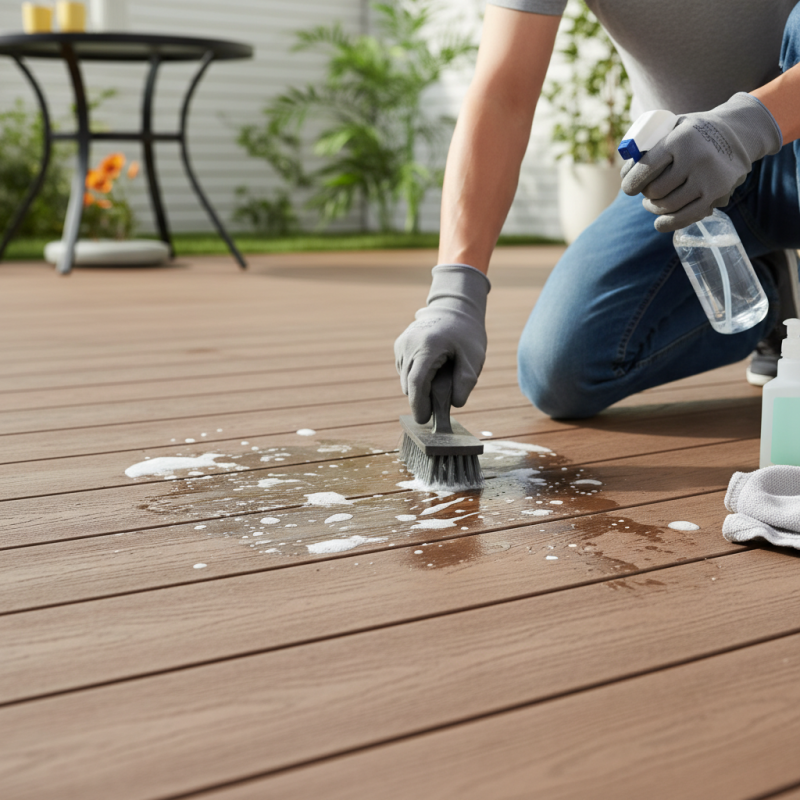
Start by blotting up excess oil with a paper towel. Avoid rubbing the stain, as this may push the oil deeper into the material. Next, mix a gentle dish soap with warm water in a bowl. Use a soft sponge to apply the soapy water to the stain, ensuring it penetrates the affected area. Reports indicate that using non-abrasive cleaners is vital to preserve the integrity of WPC. Rinse the sponge thoroughly, then wipe the area with clean water to remove any residue.
If the stain persists, consider a baking soda paste. Combine baking soda with a few drops of water to create a thick paste. Coat the stain with this mixture and let it sit for 30 minutes. The porous nature of WPC allows the baking soda to absorb the oil. Finally, rinse again with water and observe the results closely. It's crucial to reflect on the material's long-term upkeep, as neglecting regular cleaning can lead to more stubborn stains.
Preventive Measures to Avoid Future Oil Stains on Wood Plastic Composite
To effectively prevent oil stains on wood plastic composite (WPC) surfaces, consider several important measures. Regular maintenance is key. The WPC materials are often porous and can absorb oils, leading to discoloration. Industry reports indicate that up to 65% of homeowners experience staining issues with improperly maintained surfaces. By implementing a routine cleaning schedule, you can significantly reduce the risk of persistent stains.
Using protective coatings is another effective preventive measure. These coatings create a barrier against spills. Research shows that surfaces treated with protective layers can reduce oil absorption by nearly 40%. However, there may be gaps in coverage, allowing some oils to seep through, which would require vigilance during application. Inspect the treated surfaces regularly for any signs of wear and make necessary refinements.
Finally, be mindful of potential hazards. Cooking oils, for instance, are common culprits of staining. Simple adjustments can make a huge difference. Placing mats under cooking areas or using trays can minimize direct spills. Awareness is crucial, as even minor oversights can lead to significant staining issues over time. Maintaining WPC surfaces requires dedication and careful attention to daily habits, but effective strategies can yield long-lasting results.
Recommended Cleaning Products for Wood Plastic Composite Maintenance
When it comes to maintaining wood plastic composite (WPC) surfaces, using the right cleaning products is essential. These materials can be sensitive to harsh chemicals, so choosing gentle yet effective options is crucial. Look for cleaners specifically designed for WPC, which can help lift oil stains without damaging the surface. A pH-balanced cleaner is often a safe bet, effectively breaking down grease while preserving the composite's integrity.
In addition to special cleaners, natural solutions can also work wonders. Vinegar mixed with water can help to cut through oils. However, always conduct a patch test in a hidden area first. Remember, regular maintenance helps prevent stains from settling in. A microfiber cloth is helpful for both wiping and buffing surfaces, ensuring they remain pristine. While these methods are effective, it’s important to acknowledge that no cleaner is perfect. Some stains may require repeated applications or more elbow grease than anticipated.
Avoid products with heavy solvents or bleach, as they can lead to discoloration. Relying solely on commercial products can be risky. It is beneficial to combine techniques and manually address tougher stains. Knowledge of the surface and cleaning methods can lead to successful maintenance of your WPC. Always stay informed and be ready to adapt your approach as needed.
How to Remove Oil Stains from Wood Plastic Composite Efficiently?
| Cleaning Method |
Recommended Products |
Application Tips |
| Mild Detergent Solution |
Dish soap, Warm water |
Mix a few drops of dish soap in warm water. Use a soft cloth to gently scrub the stain. |
| Baking Soda Paste |
Baking soda, Water |
Mix baking soda with a small amount of water to form a paste. Apply it to the stain and let it sit for 10-15 minutes before wiping off. |
| Vinegar and Oil Mixture |
White vinegar, Olive oil |
Mix equal parts of vinegar and olive oil, apply to the stain, and rub with a soft cloth. Wipe clean with a damp cloth. |
| Commercial Stain Remover |
Stain remover spray |
Follow the instructions on the product label, usually spray on the stain and wipe off with a clean cloth. |
FAQS
: WPC is a blend of wood fibers and plastic, praised for durability and low maintenance.
WPC has a porous structure, making it absorb oils, which leads to discoloration over time.
Nearly 30% of consumers report experiencing oil stains on WPC surfaces.
Many household cleaners fail at removing oil stains, leading to ongoing frustration for homeowners.
Applying a sealant can enhance moisture resistance but may not fully prevent oil stains.
A routine cleaning schedule can significantly reduce the risk of persistent oil stains.
Using protective coatings can reduce oil absorption by nearly 40%, but application must be diligent.
Cooking oils commonly cause stains. Using mats or trays can minimize direct spills in these areas.
No, finding the right cleaning method often involves trial and error, reflecting ongoing challenges.
Yes, smoother surfaces may be easier to clean, while rough textures can trap more oil.
Conclusion
In the article titled "How to Remove Oil Stains from Wood Plastic Composite Efficiently," readers are guided through the characteristics of wood plastic composite (WPC) and its vulnerability to oil stains. Common sources of such stains include cooking oil, spills from furniture, and outdoor conditions. The piece provides a detailed step-by-step guide on how to remove oil stains, highlighting effective techniques and suitable cleaning products that maintain WPC's appearance without causing damage.
Furthermore, the article emphasizes preventive measures to avoid future stains, such as using coasters and regularly cleaning surfaces to protect WPC. By understanding the nature of wood plastic composite and applying the methods discussed, homeowners can efficiently address existing oil stains and reduce the likelihood of new ones. This comprehensive approach ensures the longevity and aesthetic appeal of wood plastic composite surfaces.

 KandS Floor