WPC (Wood Plastic Composite) flooring is popular for its durability and aesthetic appeal. However, homeowners often face the issue of fading when exposed to sunlight. Recent industry studies indicate that up to 30% of WPC flooring owners report noticeable color degradation after just a few months of sun exposure. This raises a critical question: Why is my WPC flooring fading in the sun?
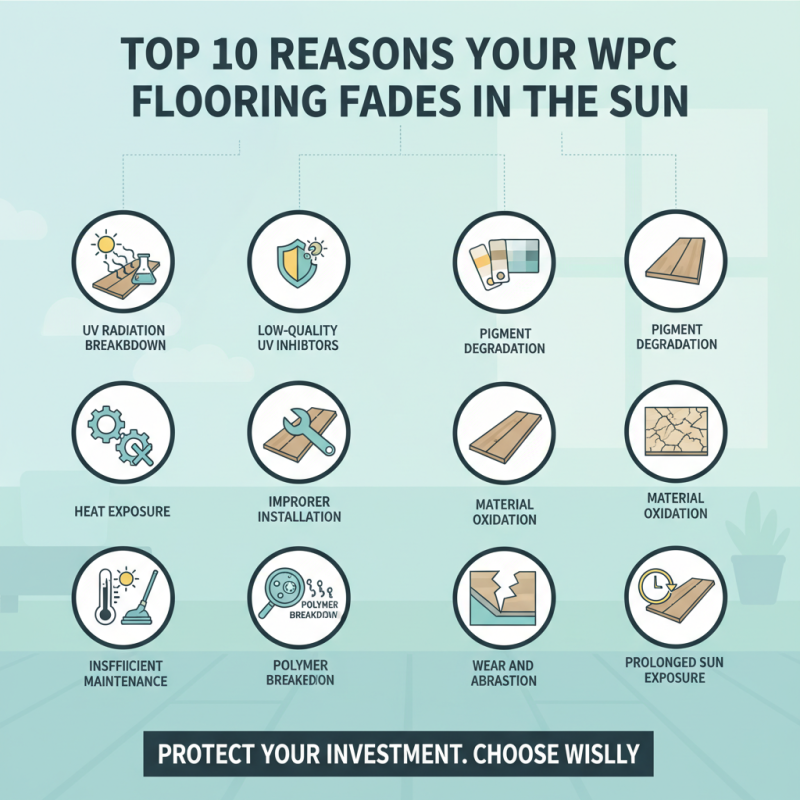
Several factors contribute to this fading issue. First, the UV rays in sunlight cause chemical reactions in the materials, leading to discoloration. Reports show that floors with lower-quality UV inhibitors are more susceptible to fading. Moreover, improper installation and maintenance can exacerbate this problem, highlighting the need for proper care. Recognizing these elements is essential for anyone looking to preserve the beauty of their floors.
As the flooring market evolves, understanding why WPC products fade can help consumers make informed decisions. This insight is crucial for those wanting to maintain their investment and ensure their spaces remain vibrant. Addressing these fading concerns not only improves aesthetics but also enhances the overall value of the property.
WPC flooring combines wood and plastic for durable flooring. The wood plastic composite is popular for its aesthetic appeal and resilience. It consists of 60% wood fiber, 30% plastic, and 10% additives. This unique blend gives it strength and versatility. Many choose WPC for residential and commercial spaces due to its ease of maintenance and affordability.
However, WPC flooring has its downsides. One significant issue is fading from UV exposure. The outdoor environment can cause the colors to degrade over time. Factors like sunlight intensity and the angle of exposure contribute to this fading. In outdoor settings, WPC flooring may not maintain its vibrant look. Understanding the composition helps homeowners make informed decisions. Without proper care, your beautiful WPC floor could lose its charm.
Regular maintenance is crucial to prolong its life. Applying UV-resistant coatings may help protect the surface. Yet, some coatings can wear off, leading to fading. Knowing these factors can guide your choices. Balancing aesthetics and durability is key when selecting WPC flooring.
| Reason | Description | Impact |
|---|---|---|
| UV Exposure | Direct sunlight can degrade the color of the flooring. | Fading of color |
| Low-Quality Materials | Using inferior quality compounds can lead to faster fading. | Long-term durability issues |
| Improper Installation | Incorrect installation can lead to uneven exposure to sunlight. | Inconsistent color fading |
| Lack of UV Protection | Floors without UV inhibitors will fade more quickly. | Increased fading rate |
| Environmental Factors | Heat and humidity can exacerbate fading. | Premature aging of flooring |
| Color Choices | Certain colors are more prone to fading than others. | Visible fading spots |
| Cleaning Products | Some cleaning agents can strip protective layers, leading to fading. | Increased vulnerability to UV rays |
| Improper Maintenance | Neglecting cleaning and maintenance can cause surface breakdown. | Accelerated fading |
| Indoor Sunlight | Floors near windows may fade faster due to indirect sunlight. | Uneven fading patterns |
| Chemical Exposure | Exposure to certain chemicals can discolor the flooring. | Color instability |
: WPC flooring consists of 60% wood fiber, 30% plastic, and 10% additives. This blend offers strength and versatility.
WPC flooring can fade due to UV exposure. Intense sunlight and angles can contribute to this color degradation.
Applying UV-resistant coatings can help. Additionally, using outdoor furniture for shade can protect the flooring from harsh sunlight.
Use a soft broom or vacuum. Avoid harsh chemicals; mild soap and water are best for maintenance.
Yes, specialized UV coatings can enhance color. However, results may vary, and testing in small areas is wise.
Relying solely on coatings without reapplication, or using harsh cleaners, can lead to damage. Care consistency matters.
In sunny areas, up to 70% of installations fade significantly within five years. Regular maintenance can help delay this.
Some users find faded floors have unexpected charm. Reflecting on aesthetics versus practicality can lead to unique insights.
WPC (Wood Plastic Composite) flooring is a popular choice due to its durability and aesthetic appeal, but many homeowners wonder, "Why is my WPC flooring fading in the sun?" Several factors contribute to this fading, primarily the exposure to UV radiation, which can break down the materials over time. Understanding the composition of WPC flooring helps identify the reasons behind its fading and the effects of prolonged sunlight exposure.
To protect WPC flooring from sun damage, homeowners can implement preventive measures such as using area rugs, UV protection coatings, and strategically placing furniture. Additionally, if fading has already occurred, restoration techniques like sanding and refinishing can help bring back the original appearance of the flooring. By taking proactive steps, homeowners can maintain the vibrancy of their WPC flooring and prolong its lifespan.

 KandS Floor