When considering outdoor decking, many homeowners wonder, "How long does WPC decking actually last outdoors?" This question reveals a mix of curiosity and uncertainty. WPC, or wood-plastic composite, is a popular choice for patios and decks. Its durability draws attention, but there are nuances to its longevity.
WPC decking is designed to withstand various weather conditions. Its resistance to rot, pests, and fading makes it appealing. However, environmental factors can influence its lifespan. Strong UV rays, heavy rain, and snow can wear on the material. Regular maintenance can help extend its life, yet not everyone follows this routine.
Understanding how to care for WPC decking is vital. While manufacturers often claim 25 years or more, real-life experiences vary. Some users report issues sooner than expected. Factors like installation quality and local climate play a significant role. Being mindful of these aspects helps ensure a long-lasting deck.
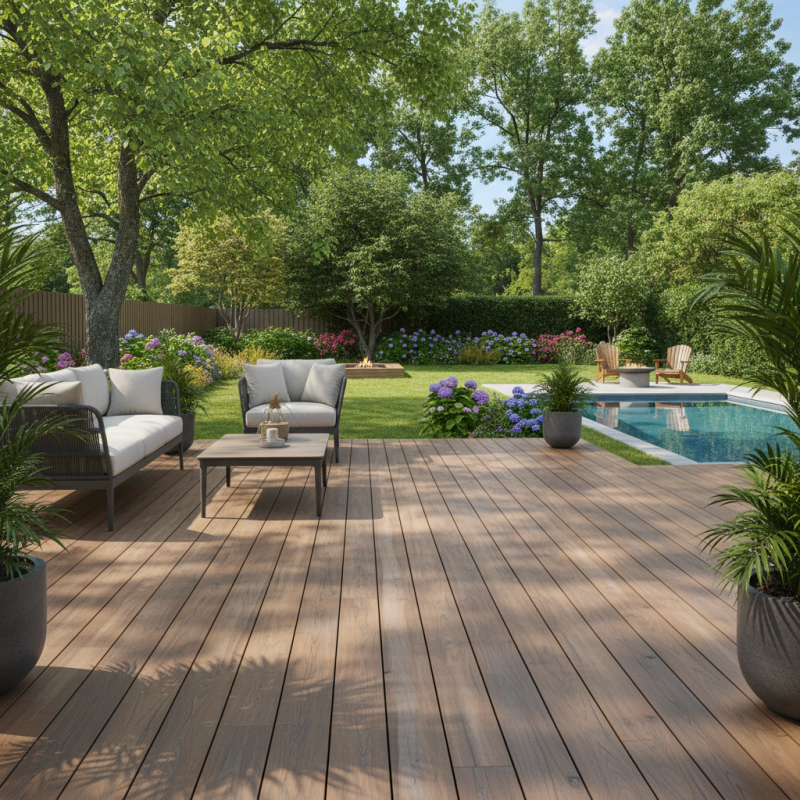
Understanding WPC Decking and Its Composition
WPC decking, or wood-plastic composite decking, blends wood fibers and plastics. This combination creates a durable, weather-resistant material. It effectively mimics the appearance of natural wood while reducing maintenance needs. Understanding its composition is essential for homeowners considering outdoor projects.
The wood fibers provide strength to WPC decking. They are often sourced from recycled materials, supporting sustainability. The plastic component adds resistance to moisture and insects. Together, they enhance the lifespan of the decking. Despite its advantages, some may find that WPC can scratch or fade over time. This can lead to reflection on the choices made for outdoor aesthetics.
Installing WPC decking requires careful consideration. Factors such as climate, foot traffic, and installation method will influence its durability. Some homeowners have reported issues related to discoloration and warping. Reflecting on these points helps potential buyers weigh the pros and cons. Understanding these elements will lead to better decision-making for outdoor spaces.
Durability of WPC Decking vs. Traditional Wood Decking
This chart illustrates the lifespan of WPC decking compared to traditional wood decking over various exposure durations. WPC decking demonstrates greater longevity and resilience, making it a more durable choice for outdoor applications.
Factors Influencing the Longevity of WPC Decking
WPC decking, a composite made of wood and plastic, can last over 25 years with proper care. However, its longevity depends on several significant factors. Understanding these can help homeowners make informed decisions.
Climate plays a vital role. In areas with intense sunlight, UV rays can fade colors and weaken structure. Data shows that WPC materials exposed to high temperatures may experience warping. Additionally, moisture levels in the air can lead to mold growth if the decking isn’t properly ventilated. Regular cleaning can mitigate these issues, but neglect can lead to a shortened lifespan.
Installation quality is crucial. Misaligned boards can create gaps, allowing water to seep in. Most professionals recommend using proper fasteners to avoid this. Moreover, purchasing from reliable sources ensures better material quality. Studies indicate that up to 30% of decking issues stem from installation errors. These factors are important to consider if you want to maximize the life of your WPC decking.
Top 10 Strategies for Maximizing WPC Decking Durability
WPC decking, known for its blend of wood and plastic, can face challenges outdoors. To maximize its durability, proper maintenance is key. Regular cleaning is essential. Dirt and debris can trap moisture. This moisture may lead to mold and decay over time. A simple wash with soapy water can make a difference.
Another effective strategy involves protecting the deck from UV rays. Sunlight can cause fading and warping. Applying a protective sealant can help preserve the aesthetic appeal. Be mindful of environmental conditions as well. In areas with heavy rain, drainage is vital. Water pooling can weaken the material. Regularly check for areas where water accumulates.
Finally, consider the insertion of gaps between the boards. This promotes airflow and prevents moisture buildup. Remember, WPC decking isn't indestructible. Minor scratches can happen and should be addressed promptly. Engaging with knowledgeable professionals can also lead to valuable insights for maintaining your decking long-term.
Maintenance Tips to Extend the Lifespan of WPC Decking
WPC decking, a popular choice for outdoor spaces, can last a long time with proper maintenance. Regular cleaning is essential. Use a broom to remove dirt and debris. A simple wash with soapy water can make a big difference. Don’t forget to rinse thoroughly. This prevents mold and mildew from building up.
Inspect your decking frequently. Look for signs of damage or wear. Issues like scratches or fading can often be repaired early. If you notice a problem, address it quickly. Delaying repairs can lead to bigger, more costly issues. Also, avoid using harsh chemicals that can damage the surface. Stick to gentle cleaners.
Applying a sealant every few years is beneficial. This can protect the material from UV rays and moisture. However, ensure that the surface is clean and dry before applying anything. Regular maintenance protects your WPC decking but may require time and effort. Finding the right balance is crucial for longevity.
Comparing WPC Decking Lifespan to Other Outdoor Materials
WPC decking, or Wood Plastic Composite decking, has gained popularity for outdoor spaces due to its impressive lifespan. Unlike traditional wood, WPC decking combines the best aspects of plastic and wood fibers. This fusion provides enhanced resistance to moisture, rot, and pests. When properly maintained, WPC decking can last upwards of 25 years, significantly outpacing many natural materials.
In comparison, solid wood typically needs frequent treatment and maintenance. It may last around 15-20 years, but it’s susceptible to weathering and biological damage. On the other hand, aluminum decking can endure even longer but comes with a costlier initial investment. Concrete or stone can last many decades but may crack or chip under certain conditions. Ultimately, choosing the right material depends on budget, maintenance level, and desired longevity.
Understanding the advantages and disadvantages of each material is essential. Not all WPC products are created equal. The quality and manufacturing processes can impact their longevity. Consumers should consider these factors when selecting materials for outdoor projects to ensure satisfaction long after installation.
FAQS
: WPC decking combines wood fibers and plastic materials. It’s popular for outdoor spaces due to its durability.
Regular cleaning is key. Use a broom frequently and wash with soapy water when needed.
Delaying repairs can lead to bigger, costly issues. Address scratches or fading immediately.
No, harsh chemicals can damage the surface. Stick to gentle cleaners for best results.
Apply a sealant every few years. Ensure the surface is clean and dry first.
WPC decking lasts longer, typically 25 years versus 15-20 years for solid wood.
Not all WPC products are equal. Quality differences can affect longevity.
WPC decking is usually less costly initially, but aluminum lasts longer and has a higher upfront cost.
WPC decking is more resistant to moisture and pests, but extreme weather can still cause wear.
Think about budget, maintenance needs, and how long you want the material to last.
Conclusion
WPC decking, or wood-plastic composite decking, has gained popularity for outdoor use due to its durability and low maintenance requirements. One key consideration for potential users is the question: "How long does WPC decking actually last outdoors?" Various factors influence its longevity, including environmental conditions, quality of materials, and installation practices.
To maximize the lifespan of WPC decking, applying specific strategies such as proper cleaning, regular inspections, and protecting it from excessive moisture can be beneficial. Additionally, understanding how WPC compares to other outdoor materials can help homeowners make informed decisions. By following maintenance tips and adopting these strategies, users can significantly extend the life of their WPC decking, ensuring long-term enjoyment of their outdoor spaces.

 KandS Floor