Can WPC Decking Survive in Saltwater Environments?

Time:2026-06-22 Author:Sienna
0%

As coastal living gains popularity, the question arises: "Can WPC decking be used in saltwater environments?" Wood plastic composite (WPC) decking promises durability and low maintenance. However, its performance in corrosive saltwater conditions warrants scrutiny. The National Association of Home Builders reported that almost 60% of homeowners consider decking material an essential part of their outdoor experience. Yet, saltwater exposure can lead to premature deterioration in some materials.

Industry expert Dr. Sarah Thompson emphasizes, "While WPC decking offers several advantages over traditional wood, its longevity in marine settings requires careful consideration." Factors such as water absorption, UV resistance, and cleaning frequency play crucial roles. Even with advancements in technology, challenges remain. For instance, some WPC products may warp or fade when consistently exposed to harsh saltwater elements.

Research indicates that high-quality WPC formulations can withstand saltwater environments better than standard wood. However, users must recognize that maintenance and placement affect lifespan. While there may be viable options, discerning the right product involves thorough vetting. Only then can homeowners enjoy the appealing aesthetics of WPC decking without the worry of damage in salty conditions.
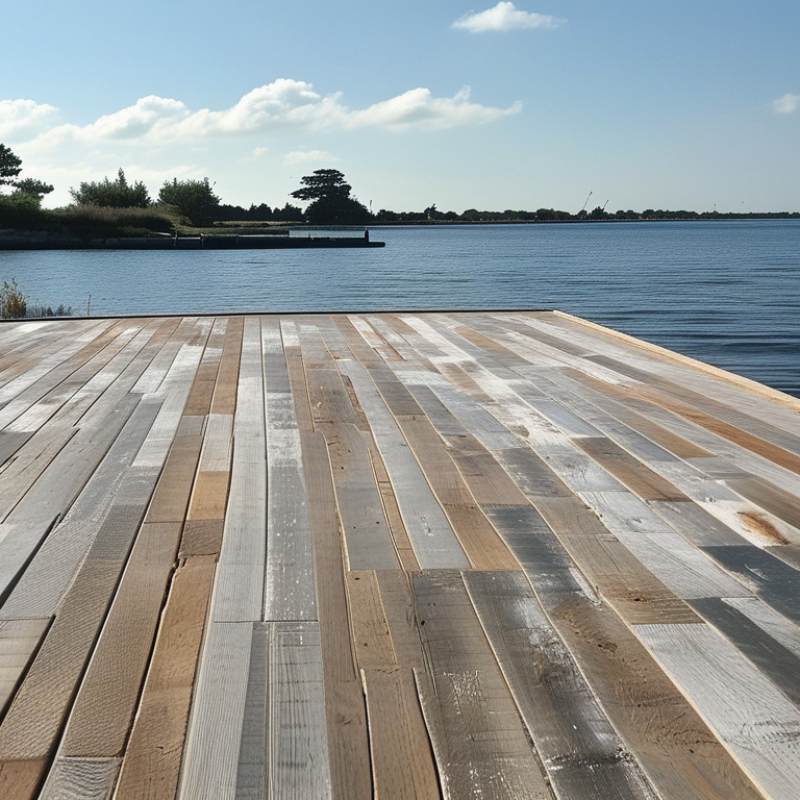
Can WPC Decking Survive in Saltwater Environments?

WPC Decking: Definition and Composition Overview

WPC decking, or Wood-Plastic Composite decking, combines wood fibers and plastic materials. This mixture creates a strong, durable product ideal for outdoor spaces. The composition often includes recycled materials, which makes it an eco-friendly choice for many homeowners.

WPC decking is resistant to moisture, but saltwater presents unique challenges. The high salt content can lead to accelerated corrosion of metal fasteners. This must be considered during installation. Additionally, while WPC is designed to withstand weather conditions, long-term exposure to salt could affect its integrity. Users should be aware of potential discoloration or warping over time.

Understanding the composition of WPC decking helps users make informed choices. Each product variant behaves differently in saltwater. Regular maintenance and assessment are essential. It’s important to monitor for signs of wear or damage. Knowledge of environments helps in selecting the right materials for specific conditions.

Saltwater Exposure: Effects on Traditional Decking Materials

Saltwater exposure can significantly affect traditional decking materials. Wood naturally absorbs moisture. When dipped in saltwater, it swells and warps. This process can lead to a shortened lifespan for wooden decks. Metal fasteners and components also corrode in these harsh environments. This degradation compromises structural integrity, posing safety risks.

Tips for maintaining traditional decking near saltwater: Regularly inspect for damage. Clean away salt residue to delay corrosion. Use marine-grade materials where possible. These products can handle moisture better than regular options. Even with precautions, watch for signs of wear, as neglect may lead to costly repairs.

Consider composite materials for areas exposed to saltwater. Unlike wood, composites resist rotting and warping. However, not all composites are designed for marine environments. Conduct thorough research before making a choice. Understand the potential risks. Continuous exposure to saltwater can challenge any decking material. Balancing aesthetics and durability is key.

Building a deck in a saltwater setting requires careful thought. Learn about the environmental conditions. Consult with experts on appropriate materials. Regular maintenance becomes essential. Without it, even the best materials will succumb to the elements.

Durability Testing of WPC Decking in Marine Environments

WPC decking, or wood-plastic composite, is known for its durability, but how does it fare in saltwater environments? Recent studies indicate that exposure to marine conditions can pose challenges for these materials. When submerged in saltwater, WPC decking may face accelerated degradation compared to freshwater settings.

Testing has shown that the salt can weaken the integrity of the composite, leading to potential surface delamination. A report by the American Society for Testing and Materials highlights that high salinity can significantly impact the lifespan of WPC materials. Furthermore, marine organisms can accelerate wear, creating further concerns for long-term use in these environments.

**Tip:** Regular maintenance is vital. Clean the decking surfaces regularly to avoid the build-up of salt and other marine debris.

Some manufacturers recommend using protective coatings to enhance resistance to saltwater exposure. Applying a sealant can create a barrier against corrosion and moisture infiltration. However, some users have reported mixed results, suggesting that the effectiveness often depends on the specific product and environmental conditions.

**Tip:** Consider seasonal inspections. After heavy storms or marine events, check for signs of wear or damage.

Before selecting WPC decking for coastal applications, weigh the potential trade-offs. The right choices can lead to successful installations, but caution is necessary when dealing with harsh marine environments.

Can WPC Decking Survive in Saltwater Environments? - Durability Testing of WPC Decking in Marine Environments

Test Parameter WPC Decking A WPC Decking B WPC Decking C
Saltwater Immersion Duration (Months) 12 10 8
Surface Damage (% Area) 5% 10% 15%
Strength Retention (%) 90% 85% 80%
Color Fading (ΔE) 2.5 3.1 4.0

Comparative Analysis: WPC vs. Wood and Composite Decking

WPC decking offers a promising alternative in saltwater environments. Its durability stems from a blend of wood fibers and plastic. This composition allows it to resist moisture better than traditional wood. Unlike wood, which can rot and splinter, WPC boasts a more stable structure in harsh conditions.

However, while WPC is resistant, it is not invincible. Saltwater can still affect its longevity over time. Some users have reported fading or discoloration after prolonged exposure. In comparison, traditional wood requires regular maintenance to prevent damage from salt. However, its natural aesthetic can be appealing. Choosing between WPC and wood often depends on individual preferences and maintenance willingness.

Composite decking falls somewhere in the middle. It combines the best of both worlds but can be costlier. Its resistance to saltwater is better than wood but may not match the longevity of high-quality WPC. Insights suggest that the performance of each material hinges on specific conditions. Testing different materials in real environments can provide valuable data to guide consumers.

Can WPC Decking Survive in Saltwater Environments?

Maintenance Strategies for WPC Decking in Saltwater Settings

When considering WPC (Wood Plastic Composite) decking for saltwater environments, maintenance becomes vital. Saltwater can lead to accelerated wear and tear on decking materials. Regular inspections are necessary to catch early signs of damage. Look for mold, discoloration, or splintering. These issues can become serious if not addressed promptly.

Cleaning is another crucial aspect of maintenance. Using a gentle soap solution and a soft-bristle brush can help. Avoid harsh cleaners that may harm the material. Rinsing with fresh water helps remove salt deposits and prevent buildup. It's important to stay vigilant, as neglect can lead to costly repairs.

Protecting WPC decking with sealants can enhance durability. A good quality sealant can offer extra moisture resistance. Apply it regularly based on environmental conditions. However, not all sealants work well with WPC, so research is necessary. Trial and error may occur here. Some people find their initial choices were not effective, leading to disappointment. Taking time to gather appropriate products can save future headaches.

FAQS

: How does saltwater exposure affect traditional wooden decks?

: Saltwater causes wood to absorb moisture, leading to swelling and warping. This shortens the deck's lifespan.

What issues arise with metal components in saltwater environments?

Metal fasteners corrode in saltwater, compromising structural integrity. This poses safety risks and requires regular inspection.

What maintenance practices help protect decking near saltwater?

Regularly inspect for damage and clean salt residue. Use marine-grade materials for better moisture resistance.

Are composite materials a good choice for saltwater areas?

Composites resist rotting and warping better than wood. However, not all are suitable for marine environments.

What challenges do WPC decking face in saltwater?

WPC decking can degrade faster in saltwater. Surface delamination may occur due to high salinity and marine organisms.

How can I enhance WPC decking’s resistance to saltwater?

Applying protective coatings can help. However, effectiveness varies by product and environment, so select carefully.

Is regular maintenance important for decking in marine settings?

Yes, it is essential. Regular cleaning and inspections prevent salt build-up and identify potential damage early.

What should I consider before building a deck by the ocean?

Understand environmental conditions and consult with experts. Maintenance is crucial for longevity in harsh settings.

Conclusion

The article "Can WPC Decking Survive in Saltwater Environments?" explores the characteristics and resilience of Wood-Plastic Composite (WPC) decking when exposed to saltwater. It starts with an overview of WPC decking's composition, highlighting its blend of wood fibers and plastics, which aims to provide durability and aesthetic appeal. The discussion then shifts to the effects of saltwater on traditional decking materials, noting their vulnerability to corrosion and degradation.

Durability testing indicates that WPC decking demonstrates superior resistance in marine environments compared to conventional wood and composite decking. A comparative analysis reveals that while traditional materials are prone to warping and splintering, WPC maintains its integrity. To maximize lifespan, the article concludes with effective maintenance strategies tailored for WPC decking in saltwater settings, posing the critical question: Can WPC decking be used in saltwater environments? The evidence suggests that it can be a viable option, provided appropriate care is taken.

Sienna

Sienna

Sienna is a skilled marketing professional with a deep expertise in our company’s core products and services. With a passion for innovation and detail, she plays a pivotal role in crafting insightful blog posts that not only highlight the unique features of our offerings but also provide valuable......