When contemplating outdoor decking, a common question arises: "Why should I choose WPC over PVC decking?" Research indicates that Wood Plastic Composite (WPC) decking offers superior moisture resistance and a reduced risk of mold and mildew compared to PVC. According to a 2022 study by the Decking Association, WPC products last significantly longer in harsh weather conditions, appealing to homeowners who want durability.
Industry expert Mark Johnson states, "WPC decking combines the best of both worlds: the natural beauty of wood and the resilient properties of plastic." This hybrid material not only enhances aesthetics but also provides a slip-resistant surface, making it an ideal choice for poolside areas. WPC also boasts impressive environmental credentials, as many products use recycled materials, reducing waste.
While PVC decking is often less expensive initially, its long-term performance may not justify the cost. Homeowners should consider durability, maintenance demands, and safety before making a choice. Reflecting on these factors can help homeowners create a safer, more beautiful outdoor space.
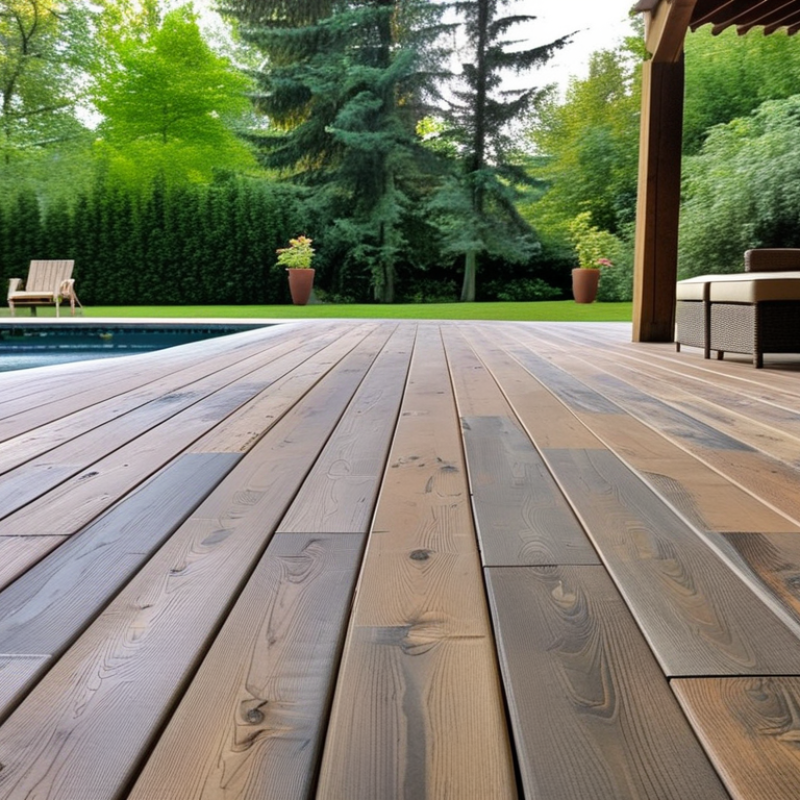
WPC (Wood Plastic Composite) decking has emerged as a popular choice for outdoor spaces. This innovative material combines wood fibers with recycled plastics, creating a durable and versatile product. According to a report by the Freedonia Group, WPC decking is expected to grow at a rate of 11% annually through 2025. This growth is driven by the increasing preference for eco-friendly building materials.
WPC decking's composition provides unique benefits. It is resistant to moisture, reducing the risk of warping and decay. Unlike PVC, which is entirely synthetic, WPC contains natural wood fibers. This gives it a more authentic look that many homeowners desire. The wood fibers add to its aesthetic appeal, but they also introduce some challenges. For instance, the wood content can lead to color fading over time, requiring periodic maintenance to preserve its appearance.
The choice between WPC and PVC often comes down to personal preferences. While PVC is more resistant to staining, it lacks the warm, natural feel of wood. WPC offers a balance of durability and visual appeal, but it requires vigilance to maintain its quality. Each material has its pros and cons, highlighting the need for careful consideration when choosing decking for outdoor projects.
WPC decking stands out for its blend of wood and plastic materials. This combination grants it a unique set of advantages over PVC. WPC is more environmentally friendly, as it uses recycled materials. This aspect appeals to homeowners who want to reduce their carbon footprint.
Another key advantage is the natural wood-like appearance of WPC. It features texture and color variations that mimic genuine wood. This aesthetic quality can enhance the beauty of your outdoor space. In contrast, PVC often looks artificial and lacks this warmth. Additionally, WPC is more slip-resistant, making it safer for wet conditions.
Maintenance is another consideration. WPC requires less upkeep than wood while being easier to clean than PVC. It withstands fading and cracking better than PVC, which can discolor over time. Homeowners also report that WPC feels more comfortable underfoot, especially in hot weather. These factors make WPC a reliable choice for outdoor environments.
| Feature | WPC Decking | PVC Decking |
|---|---|---|
| Material Composition | Wood fibers + plastic composite | 100% plastic |
| Environmental Impact | More eco-friendly, often made from recycled materials | Less sustainable, can be harmful to the environment |
| Durability | Highly durable, resistant to warping | Can become brittle over time |
| Maintenance | Low maintenance, easy to clean | Requires occasional cleaning, may fade |
| Slip Resistance | Higher slip resistance, safer in wet conditions | Lower slip resistance, can be slippery |
| Aesthetic Appeal | Natural wood look, customizable colors | Limited color options, less natural look |
| Cost | Moderate initial cost, long-term value | Generally lower upfront cost, but may require more maintenance |
Choosing WPC decking over PVC for outdoor spaces often comes down to their environmental impact. Research indicates that WPC (Wood Plastic Composite) utilizes recycled materials. It often includes wood fibers and plastics. This combination reduces the need for virgin raw materials. On the contrary, PVC products are predominantly derived from petroleum, contributing to greater carbon emissions during their production. According to a study by the Green Building Council, WPC can offer a lower carbon footprint compared to PVC by as much as 30%.
WPC decking is biodegradable and can be recycled at the end of its life cycle. This characteristic allows for a reduced environmental burden. In contrast, PVC is not easily recyclable and can persist in landfills for over 400 years. When looking at long-term sustainability, WPC surfaces can contribute to better ecological outcomes. The Environmental Protection Agency points out that industries must shift towards materials like WPC to foster sustainable outdoor living.
Tip: When selecting decking materials, prioritize products with verified sustainable certifications. This ensures you are making an environmentally friendly choice.
Remember that not all WPC products are created equal. Some may contain harmful additives that could offset their benefits. Researching your options will help you find a reliable, eco-friendly decking solution.
When evaluating outdoor decking options,
WPC (Wood-Plastic Composite) presents a compelling choice over
PVC (Polyvinyl Chloride).
A recent market report highlights that WPC decking can be about
10-30% more cost-effective in the long run due to its durability and lower maintenance costs.
The initial investment may sometimes be slightly higher, often due to material sourcing or production methods.
However, its lifespan can exceed 25 years, while PVC may require replacement after
15 years.
WPC decking is not only durable but also environmentally friendly. Studies show it is made from recycled materials,
minimizing waste. For homeowners, this becomes an essential selling point. You save money while contributing to
sustainability. WPC’s resistance to warping and fading makes it a reliable choice in any climate.
Tip: Always consider the climate in your area before making a purchase.
If you live in a region with high humidity or extreme temperatures, WPC often provides superior performance
compared to PVC. Also, consult local suppliers to understand average pricing.
Small regional differences can significantly affect overall cost.
Be aware that some maintenance is still required,
like periodic cleaning, to prolong the deck's life.
When considering outdoor decking, durability and maintenance are key factors. WPC decking provides a unique blend of wood and plastic, making it resilient against harsh weather conditions. Unlike PVC, WPC has a natural look that appeals to many homeowners. It resists fading and has a robust structure, which results in fewer replacements over time.
However, maintenance varies between these materials. WPC requires less frequent power washing compared to PVC. It does, however, need regular cleaning to prevent mold and mildew. This is especially true in humid climates. Homeowners must balance aesthetics and upkeep when choosing materials.
Tips: Use a soft brush for cleaning to avoid damaging the surface. At least twice a year, check for any signs of wear. Regularly applying a protective sealant can extend the life of your deck. It's noteworthy that some users find WPC easier to repair than PVC, which can crack or warp under stress. This small detail may influence your choice significantly.
: WPC decking combines wood fibers and plastic materials. This blend gives it unique properties and benefits.
WPC uses recycled materials, reducing carbon emissions. In contrast, PVC primarily comes from petroleum, which increases environmental harm.
Yes, WPC has a natural wood-like appearance with color variations. PVC often looks artificial and lacks this warm aesthetic.
WPC is more slip-resistant than PVC, making it safer to walk on during rainy or wet weather.
WPC needs regular cleaning but less frequent power washing than PVC. It’s essential to keep it mold-free.
Yes, WPC is biodegradable and can be recycled. PVC, however, can last in landfills for over 400 years.
Look for sustainability certifications. Not all WPC products are the same; some may have harmful additives.
WPC generally resists fading and cracking better than PVC, leading to fewer replacements needed over time.
WPC feels more comfortable underfoot, especially in hot weather. Some users may find it a more pleasant option.
Yes, many users report that WPC is easier to repair than PVC, which can crack or warp under stress.
In considering outdoor decking options, many homeowners find themselves asking, "Why should I choose WPC over PVC decking?" WPC (Wood Plastic Composite) decking stands out due to its unique composition that blends wood fibers with recycled plastics, resulting in a product that offers both aesthetic appeal and functional benefits. Its advantages over PVC decking include better resistance to fading, cracking, and splintering, making it an excellent choice for diverse climates.
Moreover, WPC decking typically has a lower environmental impact, as it utilizes recycled materials and is manufactured through processes that are less harmful to the planet. When analyzing costs, WPC often provides greater long-term value due to its durability and lower maintenance requirements. These benefits solidify WPC decking as a favorable option for those seeking a sustainable, cost-effective, and attractive solution for their outdoor spaces.

KandS Floor