Why Is WPC Flooring Environmentally Friendly and Recyclable?

Time:2026-06-13 Author:Sophia
0%

WPC flooring, or Wood Plastic Composite flooring, has gained recognition for being eco-friendly and recyclable. With an increasing number of consumers turning to sustainable products, the question arises: Is WPC flooring environmentally friendly and recyclable? According to a report by the Forest Stewardship Council, over 90 million tons of wood are harvested globally each year, contributing to deforestation and habitat loss. In contrast, WPC uses a combination of recycled wood fibers and plastics, significantly reducing the need for new materials.

WPC flooring contributes to a circular economy. The recycled components typically make up about 30-50% of the product. This process not only conserves natural resources but also minimizes waste in landfills. A study from the National Association of Home Builders reveals that using sustainable materials can reduce environmental impacts by as much as 25%. However, challenges persist. WPC production can still involve harmful chemicals in manufacturing processes, which creates a need for scrutiny.

As consumers prioritize sustainability, the flooring industry must address these legitimate concerns. Understanding the lifecycle of WPC flooring is essential. By examining its environmental impact through responsibly sourced materials and recyclability, we can better appreciate its role in promoting a greener future. Ultimately, determining if WPC flooring is environmentally friendly and recyclable requires a balanced view. It invites further discussion and reflection on our choices as consumers and manufacturers.
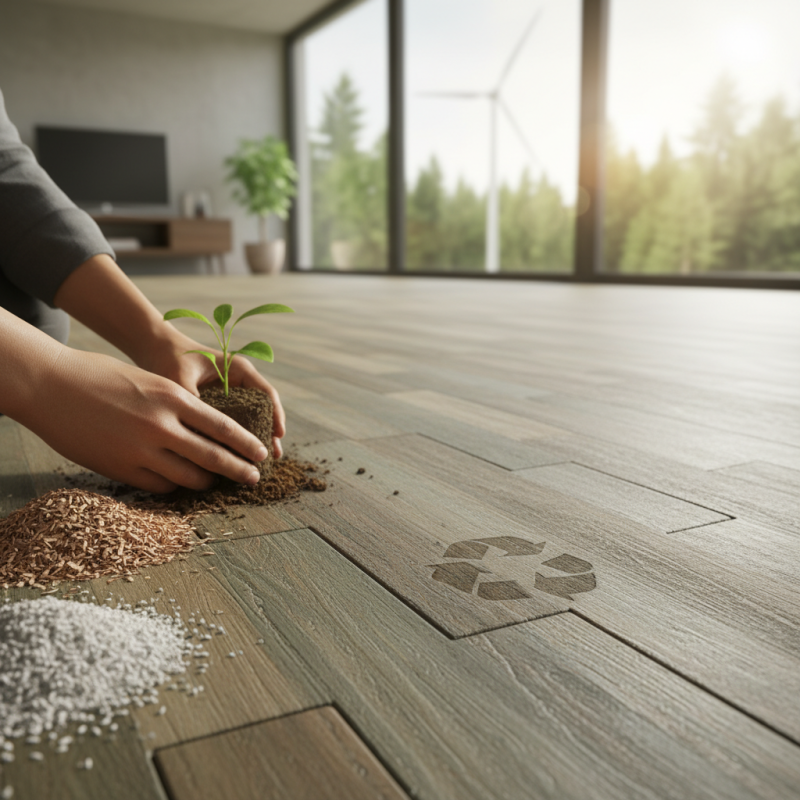
Why Is WPC Flooring Environmentally Friendly and Recyclable?

Overview of WPC Flooring and Its Composition

WPC flooring, or Wood Plastic Composite flooring, combines wood fibers and plastic materials. This unique blend offers numerous environmental benefits. According to a report by the Forest Products Laboratory, WPC flooring can utilize recycled materials, which reduces waste. This is crucial as global plastic waste is a major concern. The Environmental Protection Agency states that recycling plastic not only conserves energy but also helps minimize greenhouse gas emissions.

The composition of WPC includes about 70% wood fibers or flour and 30% thermoplastics. The wood content is often derived from reclaimed wood, contributing to sustainability. A study published in the Journal of Cleaner Production found that using recycled plastic in WPC can decrease the environmental footprint significantly. However, it’s essential to ensure the plastics used are non-toxic. Not all manufacturers adhere to this standard, raising questions about long-term safety.

While WPC flooring appears eco-friendly, not all products meet environmental certifications. Consumers should research product sourcing and manufacturing practices. The Institute for Sustainable Building recommends checking for certifications like GreenGuard or FloorScore. These labels ensure lower emissions and safer indoor air quality. Understanding these aspects is vital for making informed choices.

Environmental Benefits of Using WPC Flooring

WPC flooring, made from a blend of wood fibers and plastic, offers significant environmental benefits. The materials used in WPC flooring are often recycled, making the product more sustainable. This approach reduces waste and lessens the pressure on natural wood resources. With rising concerns about deforestation, WPC provides a viable alternative.

Additionally, WPC flooring is durable and long-lasting. Its resistance to moisture and insects means fewer replacements over time. This longevity translates into less waste in landfills. While WPC is a reliable choice, it is essential to consider the production process. Not all manufacturers prioritize eco-friendly practices. It is crucial for consumers to research and support companies that adhere to sustainable methods.

The recyclability of WPC flooring also sets it apart. After its lifespan, this flooring can be transformed into new products. However, not all locations have facilities for recycling such materials. This gap presents a challenge for its full potential. Though WPC supports a greener approach in flooring, awareness and responsible disposal remain important aspects for consumers to reflect upon.

Recyclability of WPC Flooring Materials

When considering flooring options, the recyclability of WPC (Wood Plastic Composite) materials stands out. WPC flooring combines natural wood fibers and plastic, making it a sustainable choice. These materials can be repurposed at the end of their life cycle. Recycling WPC flooring reduces landfill waste and conserves resources.

WPC flooring can be broken down into its components and manufactured into new products. This process not only minimizes waste but also assists in reducing the demand for virgin materials. A growing number of facilities now accept WPC flooring for recycling, making it easier for consumers to dispose of it responsibly.

Tips: When choosing WPC flooring, verify if the materials are sourced sustainably. Look for certifications that ensure eco-friendliness. Additionally, consider local recycling programs that accept WPC products. Staying informed will help in making responsible choices for the environment.

Comparative Analysis: WPC Flooring vs. Traditional Flooring Options

WPC (Wood-Plastic Composite) flooring offers a compelling alternative to traditional flooring options like hardwood, laminate, and vinyl. A detailed comparative analysis shows that WPC flooring is not only versatile but also more sustainable. According to a report from the U.S. Green Building Council, WPC materials largely consist of recycled wood fibers and plastics, significantly reducing environmental impact. In contrast, traditional flooring often relies on solid wood, which can deplete natural resources and contribute to deforestation.

WPC flooring typically emits fewer volatile organic compounds (VOCs) compared to conventional products. This is an important factor to consider for indoor air quality. A study by the National Institute of Standards and Technology indicates that materials with low VOCs enhance health and comfort levels in homes. This aspect is especially vital for families with children or those sensitive to chemicals.

Tips: When choosing flooring, consider the lifespan and recyclability. WPC can last over 25 years, while hardwood may require frequent maintenance. Regular cleaning and care can prolong its life. Furthermore, look for products that ensure proper end-of-life recycling programs. Such initiatives can help minimize waste and support a circular economy.

Sustainable Manufacturing Processes of WPC Flooring

WPC flooring, or wood-plastic composite flooring, is gaining attention for its environmentally friendly attributes. Its production process utilizes recycled materials, significantly reducing waste. Manufacturers often blend wood fibers with recycled plastics, creating durable products while promoting sustainability. This method helps to lower the carbon footprint associated with traditional flooring.

The manufacturing of WPC flooring involves precise methods. First, machine technologies ensure that raw materials are cleaned and processed efficiently. However, there are areas for improvement. For instance, some energy-intensive practices could benefit from greener alternatives. Companies might consider renewable energy sources to power their operations. This can make the process even more sustainable.

Moreover, WPC flooring can be recycled at the end of its life cycle. Striving for a circular economy, manufacturers encourage consumers to return used flooring. This concept fosters a responsible recycling culture. Yet, challenges remain in educating consumers about proper disposal. The awareness of WPC flooring recycling options is still developing. This gap suggests the need for ongoing efforts to enhance the recycling infrastructure and educate the public.

Environmental Impact of WPC Flooring Materials

FAQS

: What is WPC flooring made of?

: WPC flooring is made from a blend of wood fibers and plastic.

How does WPC flooring help the environment?

It uses recycled materials, reducing waste and pressure on natural wood resources.

Is WPC flooring durable?

Yes, it is durable and resistant to moisture and insects, reducing replacements over time.

Can WPC flooring be recycled?

Yes, WPC flooring can be recycled into new products, but not everywhere has recycling facilities.

What are VOCs and why do they matter?

VOCs are volatile organic compounds that can affect indoor air quality and health. WPC emits fewer VOCs.

How long does WPC flooring typically last?

WPC flooring can last over 25 years with proper care, outlasting some traditional options.

What should consumers consider when purchasing flooring?

Buyers should consider lifespan, recyclability, and the manufacturing process of the flooring products.

Are all WPC manufacturers eco-friendly?

No, not all manufacturers prioritize sustainable practices; research is essential before purchasing.

Why is awareness of disposal important?

Responsible disposal is crucial, as it can impact the environment and the effectiveness of recycling efforts.

How does WPC compare to hardwood flooring?

Unlike hardwood, WPC can reduce the depletion of natural resources and requires less maintenance over time.

Conclusion

WPC flooring, or Wood Plastic Composite flooring, is an innovative option that merges the benefits of wood and plastic, making it a compelling choice for environmentally conscious consumers. Its composition typically includes recycled wood fibers and thermoplastics, which not only reduces waste but also enhances the material's durability. When considering whether "Is WPC flooring environmentally friendly and recyclable," it’s clear that its production involves sustainable processes that minimize environmental impact.

Additionally, WPC flooring stands out due to its recyclability; it can be repurposed at the end of its life cycle, aligning with eco-friendly practices. In comparison to traditional flooring options, WPC flooring offers a lower carbon footprint and a longer lifespan, making it a sustainable alternative. Thus, choosing WPC flooring can significantly contribute to environmental conservation while providing functional and aesthetic advantages.

Sophia

Sophia

Sophia is a dedicated marketing professional with an exceptional depth of knowledge about her company's products and services. With a keen understanding of market trends and customer needs, she crafts insightful blog posts that not only inform but also engage readers, enriching the company’s online......