As families grow increasingly concerned about the safety of their living environments, the question arises: "Is WPC flooring safe for pets and toddlers?" This topic warrants attention, especially in homes where young children and pets coexist. WPC flooring, known for its durability and aesthetic appeal, has gained popularity. However, its safety features are critical for peace of mind.
WPC flooring is designed to withstand wear and tear, making it suitable for busy households. Many parents and pet owners wonder about harmful chemicals in flooring products. It's essential to consider the materials used in WPC flooring and the certifications that ensure safety. Common safety certifications can provide reassurance. However, sometimes, flooring can still contain traces of substances that may affect health.
Being informed is vital. Assessing the quality and brand reliability of WPC flooring is crucial. Research indicates various WPC manufacturers prioritize pet and child safety. Yet, it’s wise to seek reviews and expert opinions. In 2026, as product standards evolve, consumers should remain vigilant in making choices that protect their loved ones. Exploring these aspects will help answer the pressing question effectively.
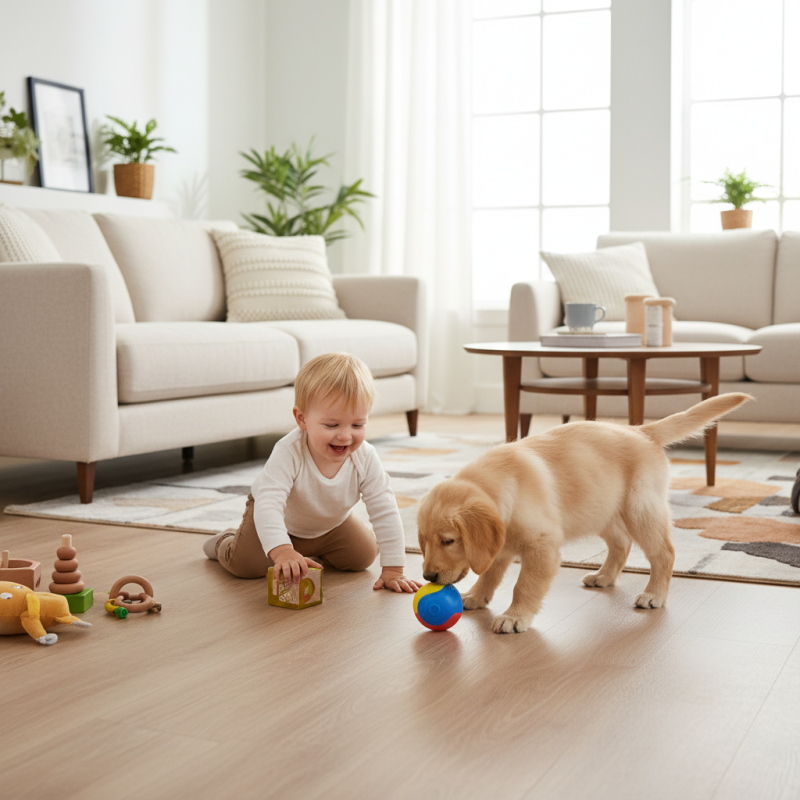
WPC flooring, or Wood Plastic Composite flooring, is a popular choice for many homes. Understanding its composition is key for parents and pet owners. WPC consists of a blend of wood fibers and thermoplastics, which provides durability and resistance to moisture. According to the National Wood Flooring Association, this combination results in a product that's impervious to water damage.
The structure of WPC flooring includes a multi-layer design. The core layer often contains recycled wood and plastic, which enhances its eco-friendliness. A wear layer on top protects it from scratches and stains, making it a practical option for households with children and pets. Reports indicate that 70% of pet owners favor flooring that offers some level of water resistance.
However, not all WPC flooring is created equal. Some products may contain harmful chemicals such as phthalates, which can pose health risks. An independent study highlighted that only 50% of WPC products meet safe chemical standards. It's crucial to research and select WPC flooring that adheres to stringent safety regulations. Before making a purchase, examine the certifications and test results to ensure safety for your loved ones.
WPC flooring, or wood plastic composite, offers a blend of durability and aesthetic appeal. In 2026, safety standards have evolved, ensuring the protection of both pets and toddlers. This flooring type is designed to resist moisture, making it less prone to mold, which can be harmful to young children and animals.
When choosing WPC flooring, check for certifications that indicate low levels of volatile organic compounds (VOCs). High VOC levels can affect indoor air quality, posing risks to the health of your family. Look for products that meet safety standards set by recognized organizations. This will ensure a safer environment for everyone.
Tips: Always ensure that your WPC flooring is installed without gaps. This can prevent small objects or pet nails from getting stuck. Regular cleaning can also help in maintaining a healthy space. Use non-toxic cleaners to keep the area fresh and safe.
Consider the texture of the flooring. Smooth surfaces may be easier to clean but can be slippery for toddlers and pets. Choosing a textured finish can prevent slips and falls. Make your selection based on how active your little ones and furry friends are.
When considering WPC flooring for homes with pets and toddlers, it's critical to understand chemical exposure risks. Wood Plastic Composite (WPC) can contain various chemicals. Some of these chemicals may emit volatile organic compounds (VOCs). Prolonged exposure can affect air quality indoors, which is a concern for young children and pets.
Examining the composition of WPC is essential. Some materials may include additives known to cause irritation or allergic reactions. Families might assume all flooring options are safe, but that isn't always the case. It’s vital to look for products that have low-emission certifications. This could mitigate potential health risks for your family.
Choosing flooring that prioritizes safety can feel overwhelming. Even well-researched options may not be perfect. Testing for specific chemical emissions might not be feasible for every household. It's important to balance aesthetics and safety, recognizing that some floors might be more harmful than they appear. Awareness and informed choices are necessary in making the right decision for your home.
WPC flooring can be a smart choice for family homes, especially where pets and toddlers play. Its durability is a major advantage. This type of flooring is resistant to scratches and stains. It can withstand the wear and tear of daily life. This makes it less likely to show damage from curious little hands or playful paws.
Maintenance is straightforward but requires attention. Regular sweeping and occasional mopping can keep the surface clean. However, spills should be wiped up quickly to prevent any long-term damage. Some families may overlook this simple task. Over time, neglect can lead to buildup, making the flooring appear dull.
When considering WPC flooring, it's essential to think about the quality of installation. Poor installation may lead to gaps or buckling. These issues could become potential hazards for toddlers and pets. Ensuring professional installation can enhance safety and longevity. Families should also consider the type of surface texture. A smoother finish might look appealing but can pose a slipping risk. Balancing aesthetics and safety is key in making the right choice for your home.
When comparing WPC flooring to traditional options, safety is a key concern for families. WPC, or wood-plastic composite, offers a unique combination of materials. This blend makes it more resilient to scratches and stains than conventional hardwood or laminate floors. A 2022 industry report noted that WPC flooring is 20% more water-resistant, an essential feature for homes with pets or toddlers.
However, traditional flooring like tile or hardwood has its benefits. They are often preferred for their long-term performance and stability. Yet, many parents worry about the risk of slips and falls on these surfaces. According to safety studies, over 30% of home injuries involve slippery floors. It’s important to consider the texture and finish of the flooring material as well.
A noteworthy factor is the VOC emissions from WPC flooring. Some WPC products emit lower levels of volatile organic compounds than traditional materials. This can create safer indoor air quality for children and pets. However, not all WPC products are equal, and some may still have harmful levels. Families need to scrutinize certifications to ensure they make a safe choice.
: WPC flooring is made of wood fibers and thermoplastics. This blend makes it durable and moisture-resistant.
It's water-resistant, scratch-resistant, and designed to withstand wear from pets. This makes it practical for pet owners.
Look for certifications indicating low VOC levels. This ensures safer indoor air quality for your family.
Regular sweeping and quick mop-ups for spills are essential. Neglecting these can cause long-term damage.
No, not all WPC products meet safety standards. Research and check test results before purchasing.
Poor installation can lead to gaps or buckling, creating hazards for toddlers and pets.
Yes, a textured finish can reduce slipping risks for active children and pets. It’s important to consider this.
Long-term neglect can lead to buildup. This can make the flooring appear dull and decrease its lifespan.
While WPC is moisture-resistant, not all are mold-proof. Check specific product features before buying.
Some WPC can contain harmful chemicals like phthalates. Always choose products that meet safety regulations.
The article titled "Is WPC Flooring Safe for Pets and Toddlers in 2026?" explores the safety and suitability of Wood Plastic Composite (WPC) flooring for homes with young children and pets. It begins by explaining the composition and structure of WPC flooring, highlighting its potential advantages in family environments. The piece delves into established safety standards that govern WPC materials, ensuring that they pose minimal risk to children's health and well-being.
Furthermore, the article addresses concerns regarding chemical exposure risks associated with WPC flooring, emphasizing the importance of choosing certified products. It also discusses the durability and maintenance requirements of WPC compared to traditional flooring options, providing a comprehensive comparative analysis. Ultimately, the research aims to answer the critical question, "Is WPC flooring safe for pets and toddlers," ensuring that homeowners can make informed decisions for a safe living space.

KandS Floor