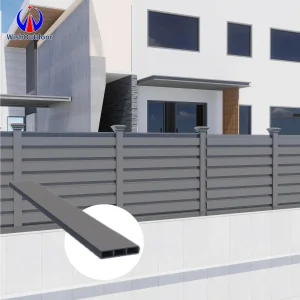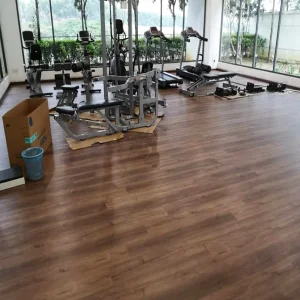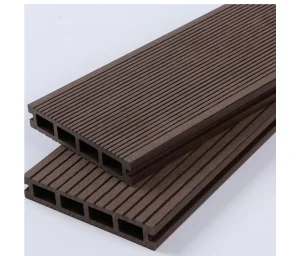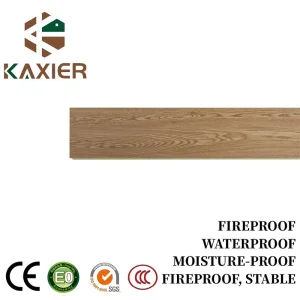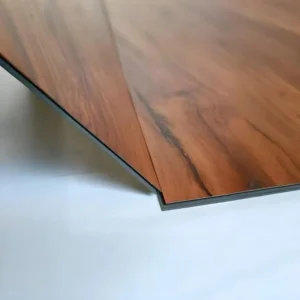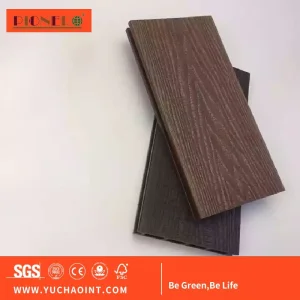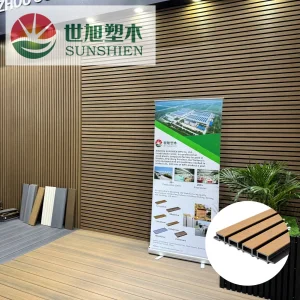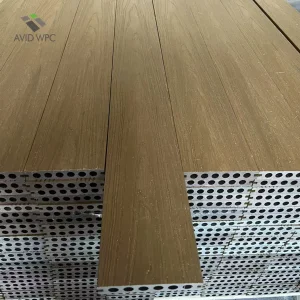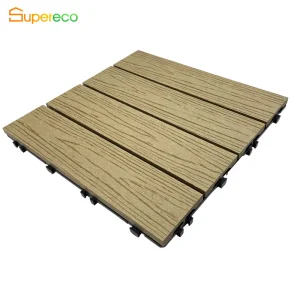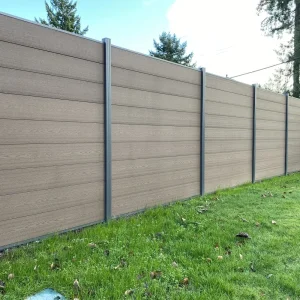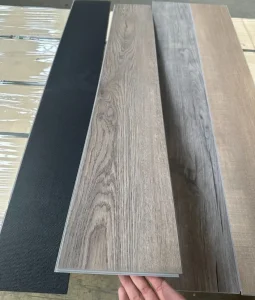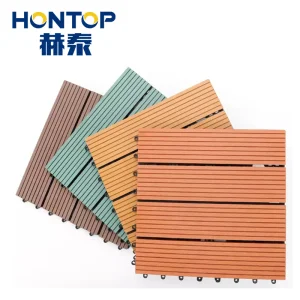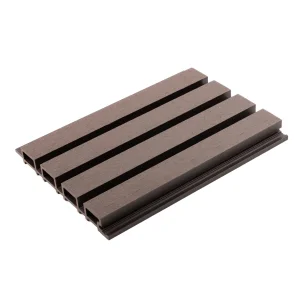
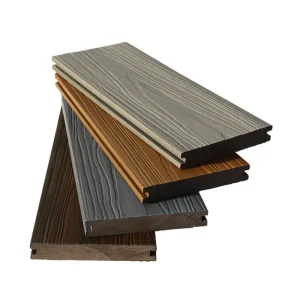
For more than a decade, Hebei Kands Floor Co., Ltd. has stood at the intersection of engineering excellence and environmental stewardship. As a leading manufacturer and exporter, we specialize in high-performance, weather-resilient, and customizable wood-plastic composite (WPC) and synthetic flooring systems designed to service structural, commercial, municipal, and residential projects worldwide.
Our comprehensive approach to WPC formulation combines recycled high-density polymers with structural wood fibers and advanced chemical coupling agents. The result is a resilient material profile that resists thermal warping, microbiological rot, and ultraviolet breakdown. With global operations servicing more than 60 countries and territories, we support international distributors, contractors, real estate developers, and municipal planners with scalable procurement systems and end-to-end quality assurance.
Modern architectural specifications demand materials that exceed aesthetic expectations while lowering lifecycle operational costs. Here is how our production processes deliver measurable structural performance:
"Hebei Kands Floor Co., Ltd. continuously invests in product research and development, staying at the forefront of composite wood technology. Over the years, we have launched multiple generations of flooring products that offer enhanced durability, improved aesthetics, and high sustainability."
The international construction industry is undergoing a structural transition. Sustainable purchasing mandates (ESG criteria) combined with the soaring prices and high maintenance overheads of natural tropical hardwoods have accelerated the global demand for Wood-Plastic Composite (WPC) structures.
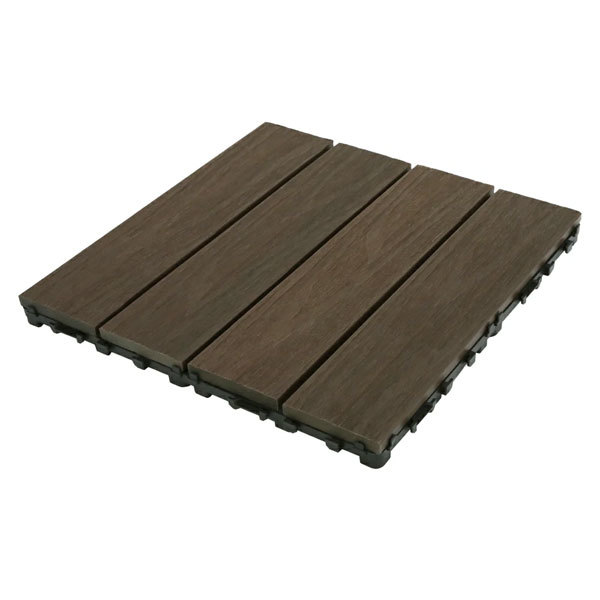
For projects in high UV environments, such as the Middle East, composite decks must resist surface oxidation and discoloration. In tropical zones with persistent humidity, moisture absorption leading to microbial degradation must be completely eliminated. The Hebei Kands research team has formulated targeted solutions: our co-extruded decking tiles utilize a 360-degree protective polymer shell (cap shield) that isolates the organic wood-fiber core from weather elements, safeguarding structural stability across extreme temperature ranges (-40℃ to +60℃).
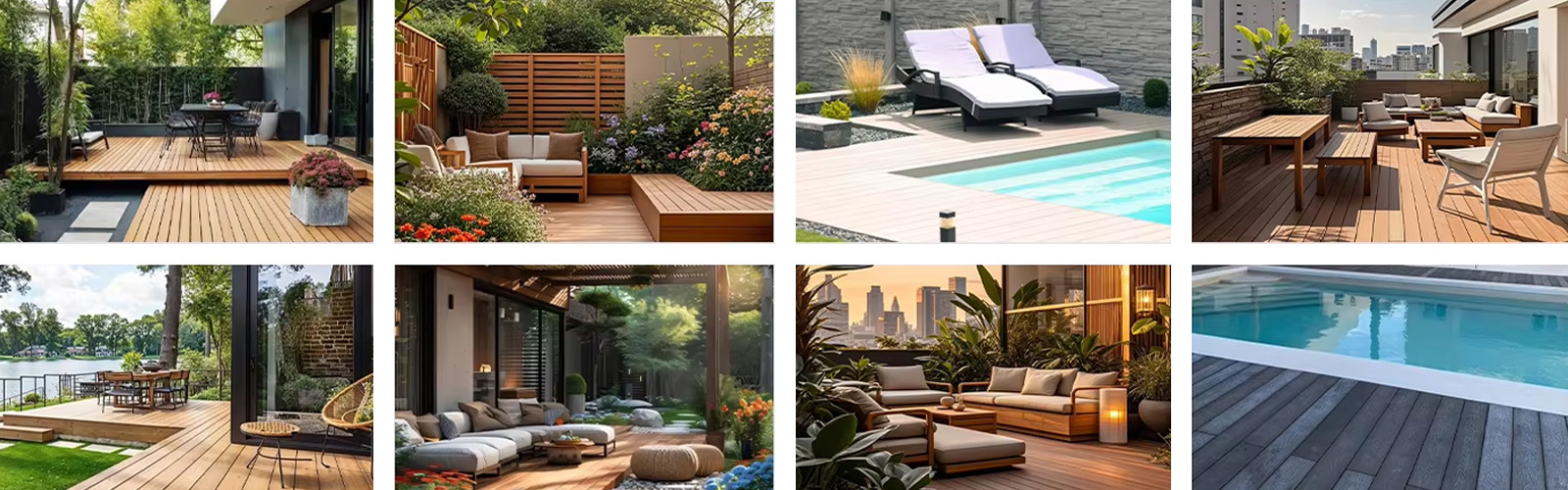
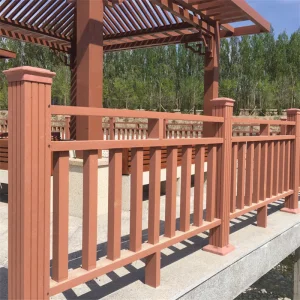
From municipal seaside promenades to high-traffic commercial hotel balconies, our interlocking composite systems solve common safety and longevity concerns. Slip resistance is a paramount metric for public spaces; thus, our textured surfaces undergo strict testing to ensure excellent wet-slip resistance. Furthermore, compared to traditional treated pine or exotic timber, our systems require zero staining, oiling, or sanding throughout their service life, drastically dropping public management expenses and private maintenance budgets.
Behind every batch of interlocking composite decking shipped from our factory is a highly automated, data-driven production sequence. We optimize manufacturing outputs to meet tight global construction schedules.
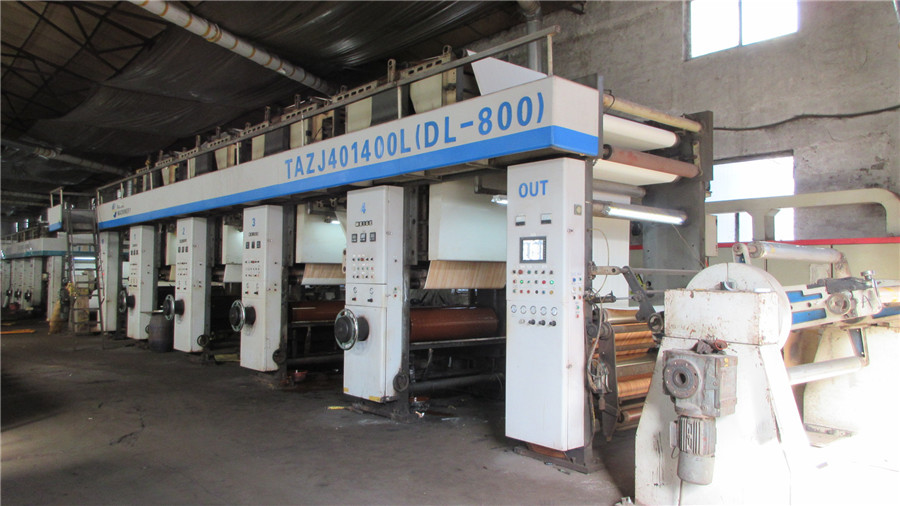
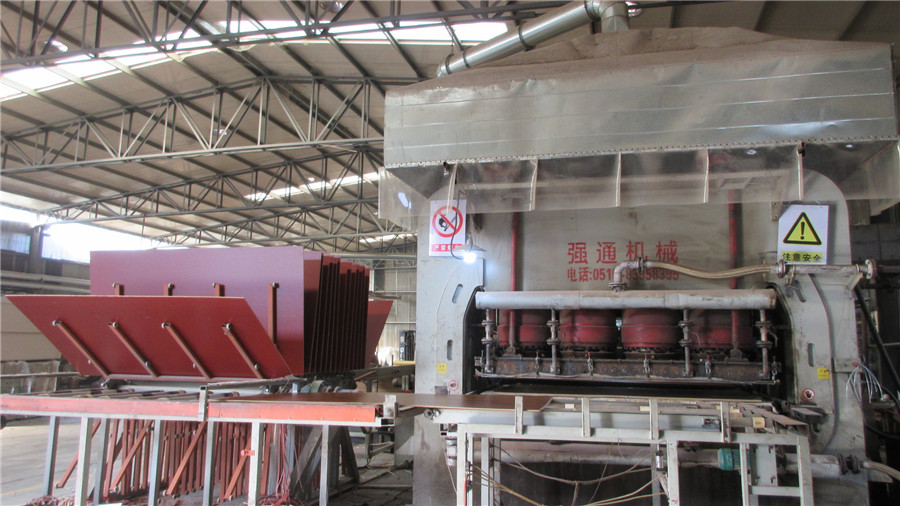
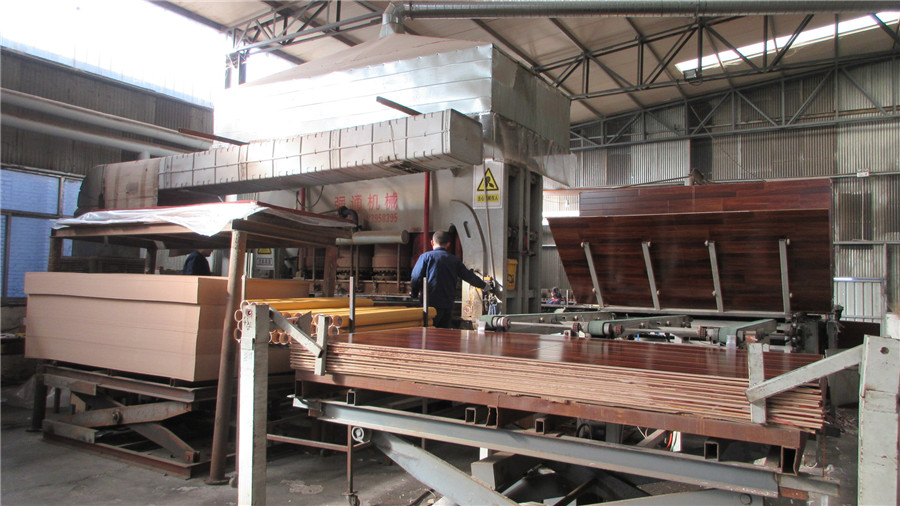
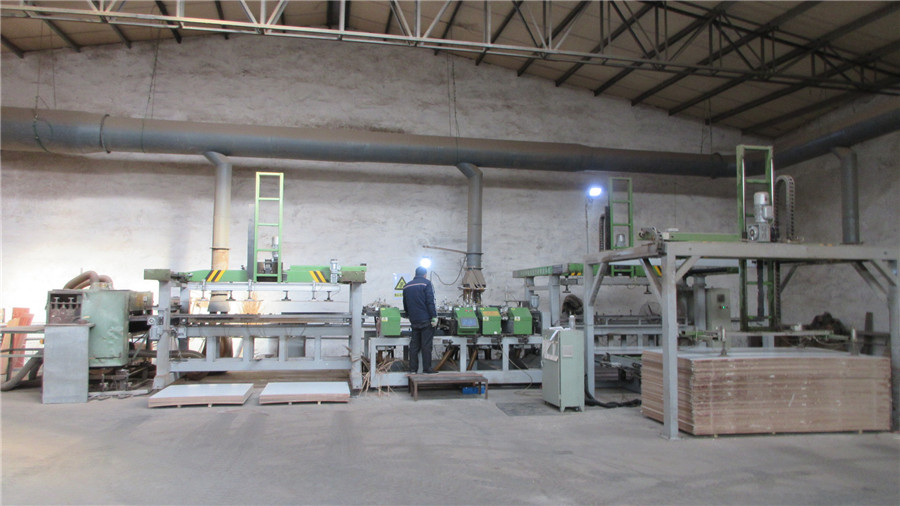
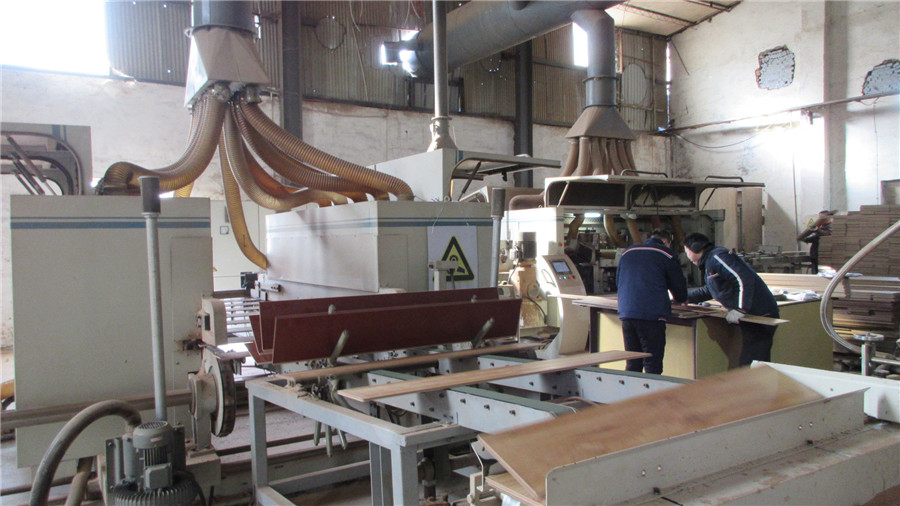
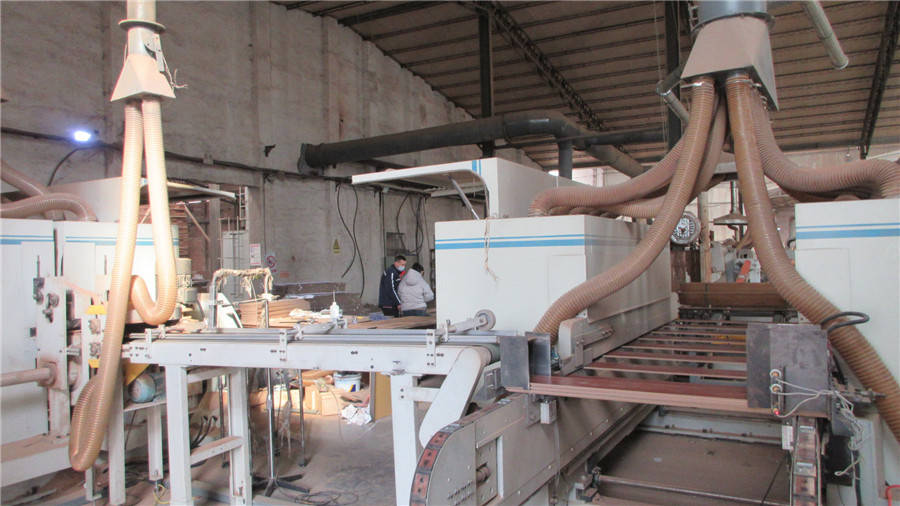
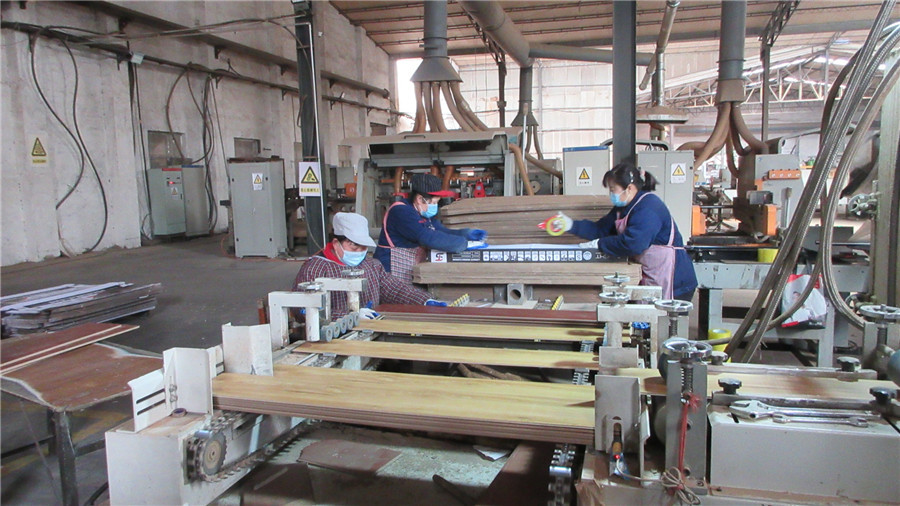
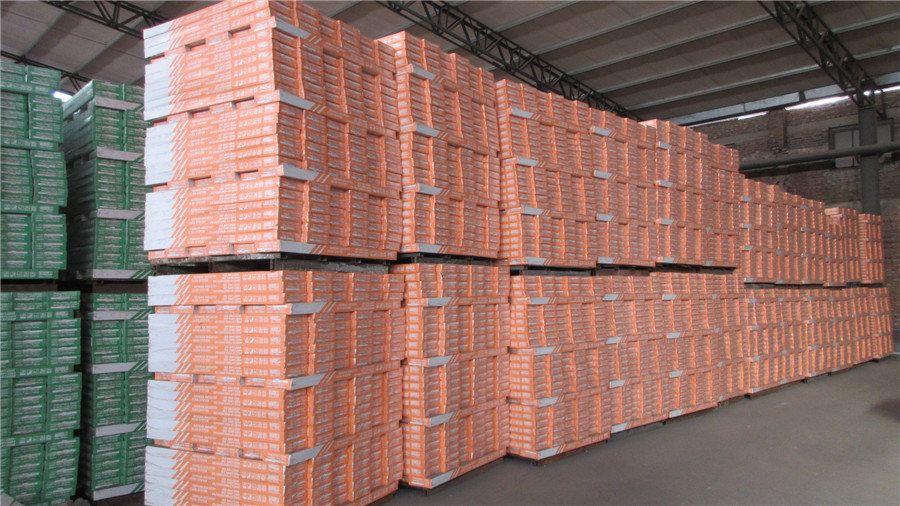
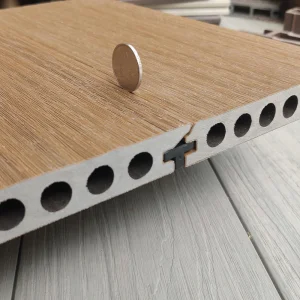
Our manufacturing facility combines high-pressure extrusion systems with advanced calibrated profiling tools. The raw materials—consisting of high-density polyethylene (HDPE), wood powder, and proprietary additives—are blended in computerized batch mixers to achieve chemical homogeneity. During the hot-pressing and extrusion phases, density control systems continuously measure board weight consistency to prevent internal air pocket formation, ensuring maximum shear strength and load-bearing properties.
Exporting to over 60 countries requires deep familiarity with localized building codes, fire regulations, and environmental standards. We supply our customers with all necessary technical data to streamline local permit approvals.
Our products are verified to meet and exceed international benchmarks. For the European market, we maintain CE certifications covering EN 13501-1 fire rating protocols, ensuring class Bfl-s1 or Cfl-s1 requirements for safety validation. For North America, our formulations are tested against ASTM standards regarding flexural strength, moisture resistance, and scratch hardness, guaranteeing performance and reliable integration into architectural blueprints.
We support commercial buyers by offering localized CAD drawings, wind-load calculations for high-rise installations, and drainage planning templates. Whether you are addressing severe freeze-thaw cycles in Scandinavia or intense saltwater air exposure in coastal Australia, our engineering team customizes the compound mix to maximize lifetime durability.
Hebei Kands Floor Co., Ltd. continuously innovates. We look ahead to design composite systems that meet future circular economy and smart city requirements.
Developing fully bio-based polymer resins derived from renewable agricultural by-products to replace petroleum plastics, reducing carbon footprints by an estimated 35%.
Designing tool-free, fully recyclable interlocking clips. This allows dismantled decking material to be directly re-ground and fed back into our manufacturing cycle, aligning with zero-waste initiatives.
Find quick answers to key technical, logistical, and structural questions about our interlocking composite decking systems.
Our standard formulation comprises approximately 60% refined wood fibers, 30% recycled High-Density Polyethylene (HDPE), and 10% performance additives (UV inhibitors, coupling agents, lubricants, and pigments).
We configure optimal thermal expansion margins in our installation guidelines. Under normal conditions, the expansion rate is less than 0.2%, which is managed via our structural hidden fastener clips.
Yes. We support custom production molds for specific wall cladding and decking dimensions. Our design team can translate your CAD files or physical samples into production-ready dies within 15–20 days.
For standard profiles, our turnaround time is 15 to 20 days per 20-foot container. Customized orders or peak season orders may require 25 to 30 days, including complete batch laboratory testing.
 KandS Floor